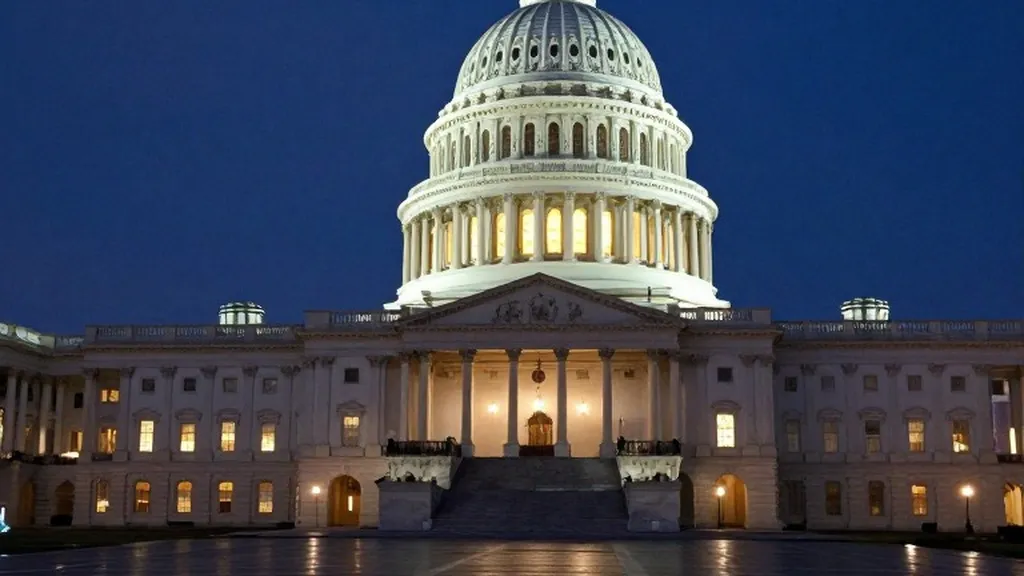
Democrats seize Senate control with 54 to 44 majority after winning seven seats
The new Senate map gives Democrats a slim but decisive edge, setting the stage for a new era of oversight and legislative battles against the Trump administration.
By Priya Marino ·

Democrats have secured a 54 to 44 majority in the U.S. Senate following the midterm elections held on Tuesday, November 3, 2026. This outcome represents a significant shift in power, as the party gained control of seven previously Republican-held seats. The result places the Democratic Party in a position to lead the chamber and set the legislative agenda for the coming two years. With this majority, Democrats can now advance their priorities in an environment where the White House is controlled by the opposing party.
The net loss of at least seven Senate seats for the Republican Party marks a historic performance for the Democrats. According to Ballotpedia, this scale of defeat places the election in the top 20% of election years in terms of seat swings against a president’s party. This threshold is widely defined as a wave election, indicating a strong mandate from voters who sought change in the federal government. The results were confirmed with a 54 to 44 split as of 4 p.m. EST on November 6, 2026.
The new Senate composition offers Democrats a strategic advantage in overseeing the Trump administration. Sen. Chuck Schumer, the Democratic leader, has already signaled his intent to use the chamber's full powers. He endorsed the push to impeach Defense Secretary Pete Hegseth, stating that Hegseth must stand trial before the Senate. This move highlights the immediate implications of the new majority, as Democrats can now organize and force votes on key executive branch actions without relying on Republican cooperation.
The loss of Senate control creates a significant obstacle for the Republican Party, which had held the majority prior to this election. The party's net loss of seats shortens its ability to block Democratic initiatives and conduct its own legislative agenda. In the House, Republicans also suffered a substantial defeat, losing at least 42 seats. This combined loss in both chambers of Congress gives Democrats a unified front to challenge the administration on issues ranging from the Iran war to domestic policy.
For Democratic readers, the cost of living and health care remain central concerns that the new majority aims to address. The shift in power allows for a renewed focus on these issues, with the ability to pass legislation or use oversight tools to hold the administration accountable. The new Senate leadership is expected to prioritize these topics in the coming months, leveraging their majority to push for changes that reflect the preferences of voters who supported their candidates on Election Day.
The Republican money edge and redistricting efforts proved insufficient to maintain their hold on the Senate. Despite these advantages, the party was unable to prevent a major shift in the balance of power. The results suggest that voters were motivated by a desire for accountability and a check on the administration's actions. This outcome underscores the importance of local and state-level strategies in influencing the national political landscape.
The new Senate will face immediate challenges in managing its agenda. With a 54 to 44 majority, Democrats have a comfortable margin but must work efficiently to pass key legislation. The party's leaders have indicated that they will focus on oversight of the administration, particularly in areas where there has been significant public scrutiny. This includes investigating the administration's handling of the war in Iran and its domestic policy decisions.
The election results also highlight the changing dynamics of American politics. The ability of Democrats to win a majority in both chambers of Congress after a period of Republican control is a testament to their campaign efforts and the voters' response to the current political climate. The new leadership will need to navigate the complexities of governing with a divided government, where the president and the Congress are controlled by different parties.
As the new Congress prepares to convene in January, the focus will be on implementing the promises made during the campaign. The Democrats' victory in the Senate provides a platform for them to advance their legislative goals and hold the administration accountable. The results of the 2026 midterm elections mark a turning point in the political cycle, with the Democrats now in a strong position to shape the nation's future.
The Senate's new composition reflects the will of the voters and sets the stage for a new era of governance. With a 54 to 44 majority, Democrats are poised to lead the chamber and pursue their agenda with determination. The results of the 2026 midterm elections underscore the importance of democratic participation and the power of the electorate to shape the direction of the country.