Global Leaders Convene in Shenzhen for Historic Trilateral Summit
The presidents of China, the United States, and Russia held their first formal three-way meeting in Shenzhen, raising questions about global influence and regional stability.
By Priya Marino ·
The leaders of China, the United States, and Russia convened on Thursday in the southern Chinese city of Shenzhen for a landmark trilateral summit. The meeting, which took place on the sidelines of the Asia-Pacific Economic Cooperation forum, marked the first formal gathering of the heads of state from these three major powers. The event has drawn significant attention for its potential to reshape international dynamics, with observers noting parallels to the 1945 Yalta summit involving the United States, the United Kingdom, and the Soviet Union.
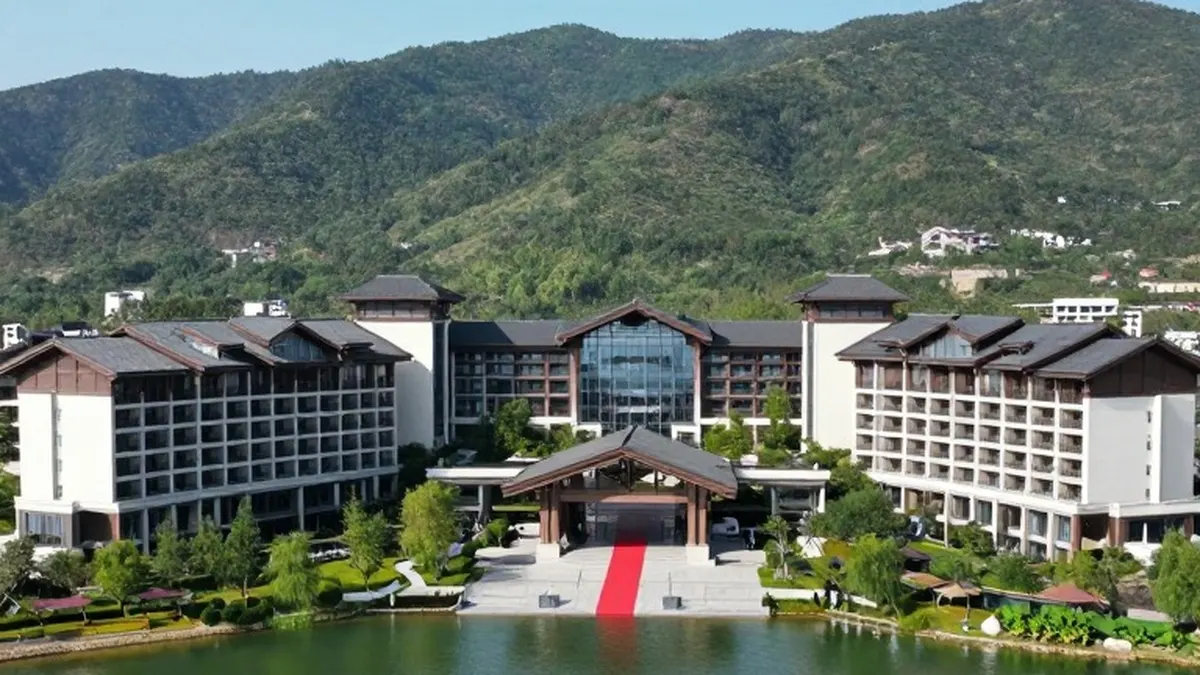
The diplomatic encounter unfolded at the Kylin Villa, a sprawling lakeside resort complex that has previously hosted high-profile foreign dignitaries. While the setting is designed for comfort and privacy, every detail of the proceedings is being scrutinized for signals regarding the future of global relations. Experts suggest that the summit may be more symbolic than substantive, yet it has already unsettled European nations who fear a division of the world into distinct spheres of influence.
US President Donald Trump arrived to a highly choreographed welcome, meeting Chinese President Xi Jinping on the tarmac. This gesture mirrored Trump's previous reception of Xi at Joint Base Andrews in September. The arrival featured military flyovers, national anthems, and a red carpet procession, which Trump described as a warm welcome that set the tone for the discussions. Trump stated that he looked forward to the meetings and characterized the gathering as a win before it even began.
During his address to the APEC summit, Trump emphasized that the United States has been a Pacific power for centuries and intends to promote growth, stability, and peace in the region. He also voiced strong opposition to strict regulation of artificial intelligence, declaring that the US would not allow robust rules to stifle the technology. Trump later noted that his talks with Xi included a brief mention of former Nvidia CEO Jensen Huang, whom he described as a brilliant man, though detailed discussions on the topic were not the primary focus.
Russian President Vladimir Putin used the forum to assert that Russia is an integral part of the Asia-Pacific region. He urged member states to utilize Russian logistics infrastructure and highlighted Moscow's contribution to regional food and energy security. Putin stated that constructive partnership with APEC economies is a strategic priority for Russia and expressed support for the draft final communique of the group.
Chinese President Xi Jinping called for a commitment to openness and integration, describing such cooperation as essential for the development and revitalization of the Asia-Pacific community. The agenda for the trilateral talks remained somewhat fluid, with Washington expecting discussions on the Iran war and nuclear disarmament. The Ukraine conflict, which Xi had previously viewed as not being China's problem, was also included in the talks after Trump indicated it would be addressed.
The Kremlin indicated that the formal three-way meeting would last less than 60 minutes. Despite the short duration, the summit carried significant weight given that the leaders represent the world's largest nuclear powers. Smaller nations have expressed concern that their interests might be overlooked in high-level negotiations between the major players.
In a related development, Japanese Prime Minister Sanae Takaichi held talks with Putin during the same event. This was their first face-to-face meeting since Takaichi took office. The two leaders discussed issues including the detention of a Japanese journalist in Russia and the seizure of Japan Tobacco assets. They agreed to maintain communication at various levels, marking a continued effort to manage bilateral relations amid recent tensions.
International Monetary Fund Managing Director Kristalina Georgieva also spoke at the summit, warning that energy supply shocks and demand for artificial intelligence were accelerating global inflation to 4.7%. She called for a tightening of monetary policy in many economies to address these rising prices. The gathering brought together numerous world leaders, including Canada's Mark Carney and Australia's Anthony Albanese, for group photographs and bilateral discussions.
As the leaders exchanged greetings and engaged in closed-door talks, the global community watched closely for indications of how the three powers intend to navigate future conflicts and cooperation. The summit concluded with the leaders having addressed a range of topics from technology regulation to military alliances, leaving analysts to interpret the subtle signals sent during this historic diplomatic encounter.