5 Tons of Lead Azide Destroyed in Iowa Blast
The Army detonated 68 barrels of degraded explosives at the Middletown plant on Wednesday after a three-judge panel approved the emergency disposal plan.
By Abigail Brooks ·
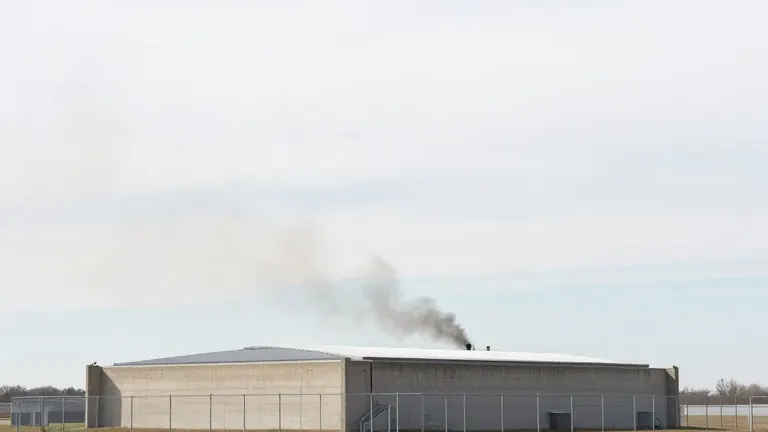
Five tons of lead azide were destroyed at the Iowa Army Ammunition Plant in Middletown on Wednesday morning.
The controlled detonation eliminated the entire U.S. stockpile of the sensitive bomb-making chemical. The Army stored the material in 68 barrels for years inside concrete-lined underground magazines. A lack of liquid in the barrels made the crystals inside more prone to freezing and explosion if subjected to friction. Military contractor American Ordnance inspected the barrels annually but stopped adding stabilizing fluid two months ago because the containers were too unsafe to open.
The timeline for the blast shifted repeatedly due to public and legal pressure. Environmental groups sued to halt the operation, and a court temporarily blocked the permit. The Army argued it was an emergency and did not need standard authorization. A three-judge panel ruled on Monday that the Environmental Protection Agency had sufficient safeguards to minimize toxic dust. The judges also found the Army considered alternatives before choosing this method. The detonation was originally scheduled for last Friday, but the Army changed the date three times in response to community concerns.
The Department of Defense informed the EPA that the dust mitigation efforts exceeded expectations. EPA Administrator Lee Zeldin told CNN that initial feedback was positive and that sensors showed nothing above 0.0 shortly after the explosions. The agency collected more than 1,200 air, land, and water samples prior to the blast and will continue testing lead levels. Army acting secretary Adam Teller called the decision to proceed a consensus choice supported by every expert agency.
Media crews positioned more than four miles from the site reported feeling the shock wave. Meteorologist Cyle Dickens described the percussion and visible shockwave on air while wearing a facemask. The military warned outlets not to put themselves in harm's way and recorded the event for later release. Some residents pulled over to watch from upwind of the plant. One resident told the Associated Press that the blast was smaller than expected, comparing the sound to a noisemaker cracking on the ground. He said the government seemed to fear over nothing.
The Army will make footage and photos of the detonation available online. The smoke plume was projected to drift southwest across farmland into Missouri, according to the Washington Post. The plumes dissipated quickly after the explosion, as reported by CNN crews on the ground.