Lawmakers face pressure to address housing affordability in 2027
With Democrats now controlling both chambers, Congress is under increasing pressure to pass bipartisan bills aimed at reducing the cost of homeownership for American families.
By Priya Marino ·
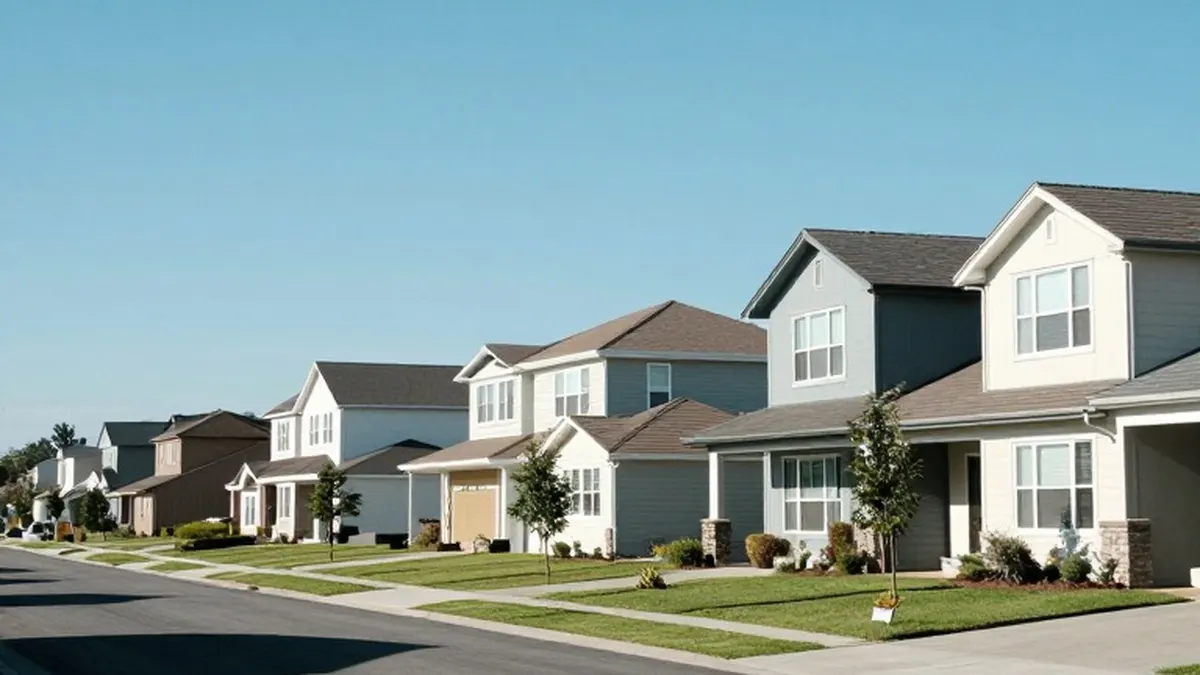
As voters continue to grapple with the high cost of living, lawmakers are likely to face intensified pressure in 2027 to prioritize bipartisan housing proposals. The goal of these legislative efforts is to lower the barriers that prevent many Americans from purchasing a home, a topic that has gained significant traction following the recent midterm elections.
In recent years, rising home prices, tight inventory, and elevated interest rates have created significant challenges for first-time buyers. A survey conducted by financial services firm FICO in July found that three-quarters of prospective property buyers cited financial hurdles, such as rising borrowing costs, as the primary reason they were unable to purchase a home this year.
Members of both political parties have already introduced several bills designed to assist Americans in achieving homeownership. These proposals generally focus on reducing upfront costs for buyers. The midterm elections, which resulted in Democrats gaining control of both the Senate and the House, may provide fresh momentum for these initiatives in the coming year.
Kate Wood, a lending expert at NerdWallet, noted to CBS News that housing affordability is one of the rare areas where there is broad consensus. She stated, "This is kind of one of those rare pockets where everyone can agree housing is expensive'We got to do something.'"
One Democratic-led proposal aims to provide up to $20,000 to first-generation homebuyers and up to $25,000 to low-income households to help cover down payments. Separately, a bipartisan bill introduced in February would allow first-time homebuyers to redirect unused funds from education savings accounts toward their home purchase.
Experts outside of Congress are also advocating for various solutions. Lael Brainard, who served as the director of the National Economic Council during the Biden administration, has pushed for reducing the required down payment on federal loans to $1,000. Meanwhile, Ted Tozer, who served as president of Ginnie Mae under former President Obama, has argued for offering zero-down mortgages to specific groups of borrowers.
Lawmakers are also looking to build upon the success of the ROAD Act, a landmark bipartisan housing bill passed last year that sought to boost housing supply. Because much of the regulatory and zoning action takes place at the state and local levels, experts expect Congress to focus on providing incentives to local governments to encourage more construction and the development of affordable housing.
A key proposal currently under watch is the Bipartisan American Affordability and Jobs Act of 2026, introduced in September. This bill focuses on permitting reform, including measures to streamline the approval process for certain housing developments. Jake Krimmel, a senior economist for Realtor.com, explained that the core of the bill is about facilitating the faster approval of energy and infrastructure projects.
Despite the potential for progress, political obstacles remain. Dennis Shea, a housing policy expert at the Bipartisan Policy Center, noted that Democrats have historically prioritized direct support for first-time buyers and increased federal spending on housing programs. He expects to see more substantial appropriations for housing and demand-side initiatives, such as down payment assistance, than what a Republican-controlled Congress might deliver.
However, experts caution that the new Democratic majority may be limited in what it can achieve. Although Democrats will hold majorities in both chambers next year, President Trump retains the ability to veto any legislation passed. To override a veto, lawmakers would need a two-thirds majority in both chambers, a threshold that requires significant bipartisan support. Shea emphasized that despite their electoral gains, Democrats still need buy-in from the White House and at least four Republican senators to move legislation forward.
More News · National news · Report a business · Got a Story?