Apple ramps up iPhone Duo production to 14 million units
The tech giant has significantly raised its initial shipment targets for the new folding smartphone after pre-orders triggered immediate shipping delays.
By Ahmed Mansour ·
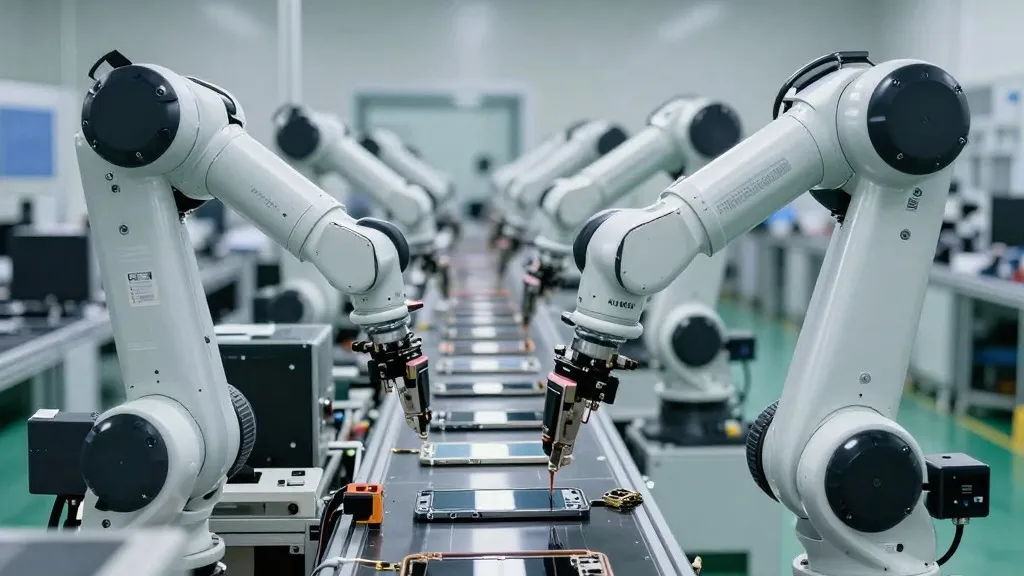
Apple is moving fast to keep up with a surge in orders for its first folding iPhone. Supply chain reports indicate that the company has increased production targets by more than 40 percent. This aggressive boost comes in direct response to what Apple has termed extraordinary pre-order demand. The shift signals a major escalation in manufacturing efforts for the device, which has generated significant buzz in the market.
The tension began the moment pre-orders opened last Friday. Customers immediately noticed that delivery estimates were slipping. Some shoppers saw their potential arrival dates pushed into late January. At first, it was unclear if these delays were due to a shortage of inventory or simply a spike in interest. However, new reporting suggests the issue is clearly demand-driven rather than a supply-side failure.
Apple attributed the initial delays to the overwhelming number of orders placed for the new hardware. The company used the phrase extraordinary demand to describe the situation. This is a term the firm frequently employs during the launch of new iPhone models. To manage the influx and reduce the impact of scalpers, Apple also placed a limit on purchases. Customers were restricted to buying a maximum of two units each.
As expected, the situation began to stabilize quickly. Many early customers were subsequently issued earlier estimated shipping dates. This adjustment aligns with a report from DigiTimes. The outlet cites supply chain sources who say Apple has actively ramped up production to meet the current volume of orders.
The timeline of events shows a rapid response from the manufacturer. Pre-orders launched on Friday with immediate date slippage. By the following days, shipping estimates improved for many buyers. The latest data points to a firm expectation that demand will remain strong in the coming months. Apple is not treating this as a temporary spike but as a sustained trend.
The company has revised its shipment goals significantly. Apple now projects moving 14 million units over the first 12 months. This figure is a substantial jump from the previous target of 9.7 million units. The increase reflects confidence in the market reception of the folding form factor. It also indicates that the supply chain has been mobilized to handle this larger volume efficiently.
Despite the production boost, early adopters are facing some software challenges. Third-party apps have not yet been fully optimized for the new device. Apple states that the situation is improving rapidly as developers adapt their software. The first reviews based on a week of usage highlight app support as a key area for improvement. This is one of five main takeaways from those initial assessments.
Hardware features are also drawing attention. The new iPhone Duo uses Touch ID instead of facial recognition. This change was noted in the early reviews. However, a report today suggests that Apple is already looking ahead. The company is reportedly testing prototypes for the iPhone Duo 2. These next-generation devices are being evaluated with Face ID technology.
The next steps for Apple focus on clearing the current backlog and refining the software experience. As production scales to meet the 14 million unit target, more devices will reach customers. Developers are continuing to update their applications to support the folding screen. Meanwhile, the engineering team is working on the next iteration of the hardware, potentially bringing back the facial recognition feature that users have grown to expect.
For now, the priority is fulfilling orders. The 40 percent increase in production is a clear signal that Apple intends to capture this market segment. The rapid adjustment of shipping dates shows that the supply chain is responsive. As the first 12 months of sales progress, the success of the iPhone Duo will depend on maintaining this production pace and ensuring software compatibility keeps up with hardware availability.
Source: 9to5Mac