Democrats Seize Both Chambers of Congress in Historic Midterm Upset
The party has taken control of the House and Senate, setting the stage for immediate oversight of the administration and new legislative battles.
By Abigail Brooks ·
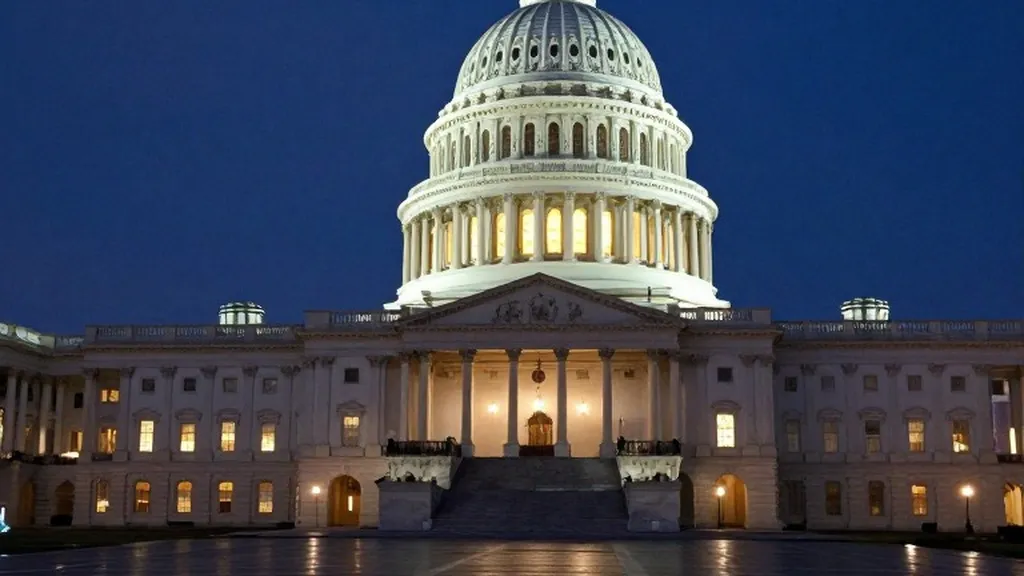
Voters delivered a decisive shift in power on Tuesday, November 3, 2026, as Democrats secured majorities in both the United States House of Representatives and the United States Senate. The results mark a significant reversal for the Republican Party, which lost at least seven Senate seats and at least 42 House seats to the opposition. According to Ballotpedia data compiled from various sources, Democrats will hold at least a 250 to 157 majority in the House and a 54 to 44 majority in the Senate once all races are certified. This outcome places control of the legislative branch squarely in Democratic hands, ending the Republican hold on at least one chamber that has defined the current Congress.
The scale of the Republican loss in the Senate is historically notable. The net loss of at least seven seats places this midterm cycle in the top 20 percent of election years in terms of seat swings against a president's party. While the House losses for Republicans are substantial, they fall slightly short of the 48 seat threshold typically defined as a wave election, though uncalled races may still alter this total. The shift in power is immediate, as Democrats are already positioning themselves to use their new numbers to challenge administration policies that have drawn criticism from voters across the country.
Democratic leaders emphasized the mandate for oversight and accountability in their initial reactions to the results. House Democratic Leader Hakeem Jeffries expressed support for the impeachment resolution targeting Defense Secretary Pete Hegseth, a move that was introduced by Representative Thomas Massie just hours after the House reconvened. Jeffries noted that with the new majority, the path to a House vote on the matter is clearer, although the process remains complex due to the timing of the congressional sessions. Senator Chuck Schumer, the Democratic leader in the Senate, also endorsed the push, stating that Hegseth must stand trial before the Senate, signaling an aggressive posture for the chamber Democrats will lead.
The immediate legislative agenda for the new majority centers on education and federal oversight. Representative Bobby Scott of Virginia, who is set to lead the House Committee on Education and the Workforce, announced plans to use investigative powers to scrutinize the Trump administration's dismantling of the U.S. Education Department. Scott stated his intention to leave no rock unturned in exploring the administration's actions regarding federal student loans and anti discrimination policies. His committee is preparing to issue subpoenas and hold hearings, a move that signals a shift from the passive oversight seen in previous years to active legislative engagement.
Senator Elizabeth Warren of Massachusetts called on her colleagues to hold the administration accountable for what she described as dismantling the Department of Education and turning its back on students. The White House has shown no sign of backing away from its campaigns to close the department and end diversity, equity, and inclusion policies, setting the stage for a direct clash between the executive and legislative branches. Democratic officials view these moves as a test of their ability to check presidential power and protect federal agencies that support education and student aid.
The new Democratic majority also intends to leverage the appropriations process to rein in administration actions. Senator Chris Van Hollen of Maryland indicated that Democrats on the Senate Appropriations Committee are exploring conditions on spending bills to establish guard rails against abusive practices. Last year, Democrats failed to secure broad language in a funding bill to block the further dismantling of the Education Department, but with majorities in both chambers, they are preparing to try again. Van Hollen described this as a way to stop the bleeding, even if it does not fully reverse the changes that have already been implemented by the administration.
Beyond education, the election results have implications for other key policy areas, including the Iran war and cost of living issues that influenced voter turnout. The sweeping losses for the Republican Party are attributed in part to voter dissatisfaction with the administration's handling of the conflict in Iran and the broader economic landscape. The new Congress will likely face pressure to conduct hearings on military actions in the Middle East and to address domestic economic concerns that remain a top priority for Democratic voters.
The shift in state governments further amplifies the Democratic gains at the federal level. Democrats won a majority of governorships for the first time since before the 2010 elections and secured a plurality of state government trifectas. This control at the state level provides additional leverage in areas such as healthcare and infrastructure, allowing the party to coordinate policy initiatives across multiple jurisdictions. The alignment of federal and state power under Democratic leadership creates a more unified front for advancing the party's legislative agenda.
Republican leaders expressed frustration with the timing of the new majority's actions, particularly regarding the impeachment of Defense Secretary Hegseth. House Speaker Mike Johnson, who has tried to prevent the vote, argued that impeachment in the middle of hostilities abroad would be a terrible look for allies and enemies. Senate Majority Leader John Thune stated that he was unsure why the vote was being held now but indicated that the Senate would have to deal with the matter accordingly. These comments highlight the tension that will define the early days of the new Congress, as Democrats seek to assert their power while Republicans attempt to manage their transition out of the majority.
The election results also reflect a broader trend in voter behavior, with Democrats gaining seats in key districts that were previously held by Republicans or independents. The gain of 43 House seats, including 42 from Republicans and one from an independent, underscores the reach of the Democratic turnout effort. As the new Congress convenes in January, the party will have the opportunity to shape the legislative calendar and prioritize bills that address the concerns of their constituents, from healthcare costs to federal oversight of major agencies.