Democrats gain control, but Trump signals a fight for oversight
New House and Senate leadership faces a defiant executive branch that has already branded congressional investigations as extortion.
By Abigail Brooks ·
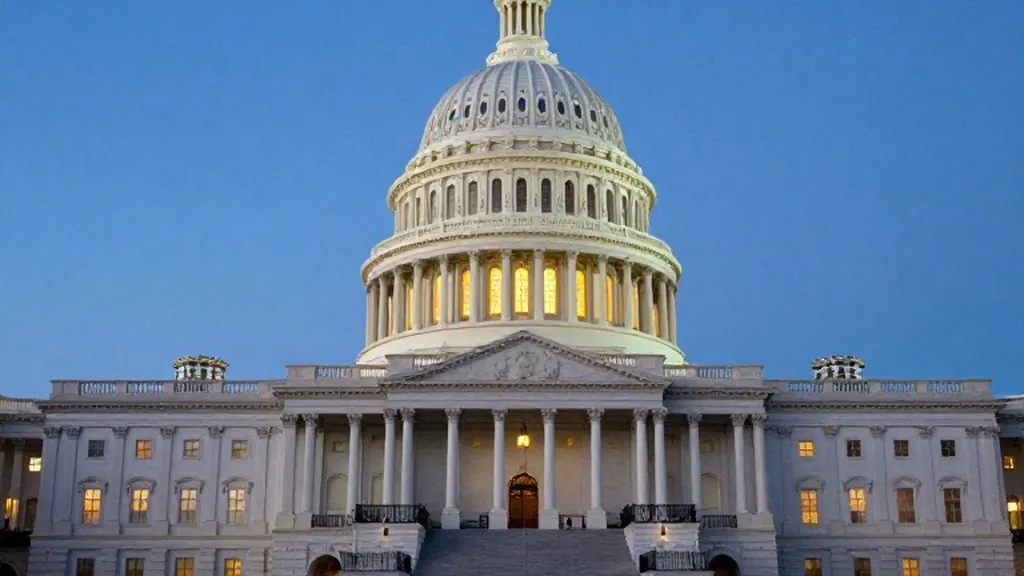
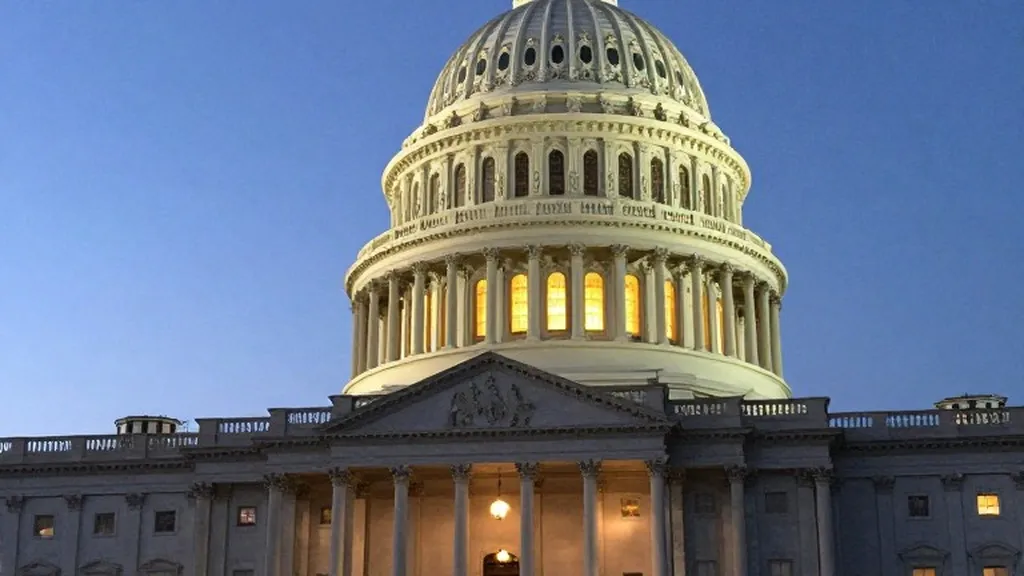
Democratic leaders emerged from the November 3 midterms with a clear mandate to confront the executive branch, a stance that President Donald Trump and his Department of Justice have already met with combative rhetoric. The new congressional majority now faces a White House that has declared investigative requests to be extortion at the highest level, setting the stage for a defining conflict in the final two years of the current administration.
Rep. Robert Garcia of California, who is poised to chair the powerful House Oversight Committee, told reporters that the days of Democrats not fighting back are over. He described the administration as a Trump crime family and prepared a slate of aggressive investigations. His comments signaled that the new leadership intends to use its institutional power to check the White House, a role that about seven in ten national voters say Congress has not fulfilled adequately.
The friction between the branches was highlighted by Attorney General Todd Blanche, who echoed the president's tone and suggested that criminal investigations of Democrats are possible. Blanche argued that lawmakers are not allowed to threaten existing members of the administration or companies, a position that underscores the administration's willingness to use legal tools to pressure its political opponents.
Democratic House leader Hakeem Jeffries, who is on the cusp of becoming the nation's first Black House speaker, framed the new congressional power as a constitutional duty to hold the executive accountable. He stated that if individuals have been shortchanging or stealing from the American people, they need to be held in a manner consistent with Congress' role. Jeffries also expressed support for a pending resolution to impeach Defense Secretary Pete Hegseth, a move that Hegseth has dismissed as a matter of personal destruction.
Despite the aggressive posture, there is internal debate among Democrats about the balance between oversight and the cost of living. Sen.-elect Adam Hamilton of Kansas, the first Democrat elected to the Senate from that state in 94 years, expressed skepticism about impeachment. He warned that the next two years should not be spent dividing the country further and emphasized the need for guardrails over partisan fights. Sen. Bernie Sanders of Vermont agreed, noting that while accountability is necessary, Congress must also stand up for working-class families.
The appointment of Stephen Miller to succeed Susie Wiles as White House chief of staff has further complicated the path toward cooperation. Jeffries called the choice an awful one and cast doubt on working with Miller, whom he described as representing the extremism the administration may try to unleash. This sentiment is shared by many Democrats who view Miller as a key architect of the mass deportation policies that became a central issue in the midterm elections.
Voters have expressed concern about the administration's handling of immigration, with about six in ten survey respondents saying that enforcement actions have gone too far. This public opinion provides a backdrop for the new congressional agenda, which will likely focus on both oversight of the executive branch and delivering tangible results for households struggling with high costs.
The new leadership also faces the challenge of maintaining its majority while navigating a difficult legislative landscape. Some Democrats worry that if conflict with Trump defines the agenda, the resounding wins of Tuesday could prove fleeting. The emphasis on lowering the cost of life remains a central promise to voters, and new leaders must decide how to prioritize that goal against the push for accountability.
The election results also saw a wave of historic firsts, including the election of Peggy Flanagan as the first Native American woman to the U.S. Senate. Flanagan credited the support of Native women for her victory in Minnesota. In New Mexico, Deb Haaland was elected as the first female Native governor of a U.S. state, a milestone that reflects a broader trend of Native women gaining leadership roles in politics.
Crystalyne Curley was elected the first woman president of the Navajo Nation, a position held by men since the modern centralized government was established over a century ago. Curley said she faced sexist rhetoric during her campaign and expects to be held to a higher standard. She and her running mate, Chris Deschene, plan to transition the tribe away from coal development and reassert its role in federal Indian policy.
Other Native women made significant gains in Congress, with Claire Valdez and Sean McCann becoming the first Native Americans elected to represent New York and Michigan, respectively. These victories mark a turning point for Native American women, whose leadership has rarely translated to formal political power. The new congressional leaders will now take office with a mandate to act, facing a White House that has already signaled it will resist their oversight efforts.
The coming months will test the power of Congress to put a check on the White House as the new majority seeks to balance its promise of accountability with the need to pass legislation that addresses the economic concerns of voters.