Kevin Warsh's Fed Expected to Pause Hikes Before Midterm Vote
The central bank will likely hold rates steady Wednesday, ceding the final pre-election decision to a cautious stance despite rising oil prices.
By Abigail Brooks ·
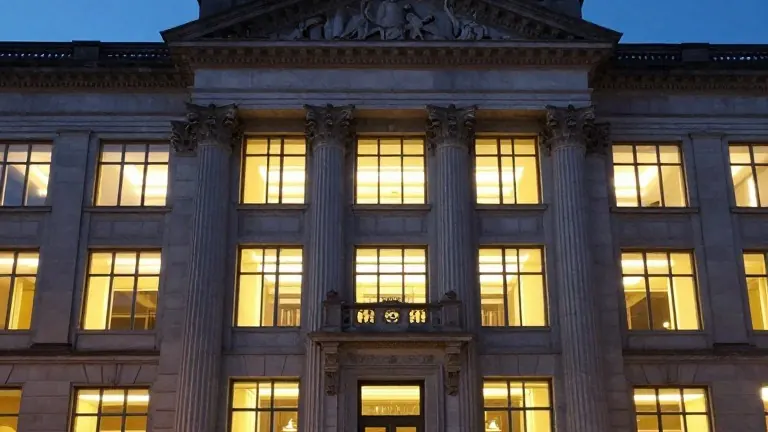
The Federal Reserve is projected to maintain its current interest rates on Wednesday, marking the last rate-setting meeting before the November midterm elections.
This decision would keep borrowing costs at levels not seen in more than two decades during a pre-election period. Officials raised rates last month for the first time since 2023, citing persistent inflation that has stayed above the 2% target for several years. The annualized inflation rate remained above 3% for most of 2026, spiking from 3.4% in August to 3.7% in September.
Presidents Donald Trump criticized the recent hike, stating that US interest rates should be 1% or less. However, Fed Chair Kevin Warsh indicated that the central bank raised rates to prevent price increases from spreading further. Warsh noted at the September meeting that the Fed cannot control individual prices like oil or food, but it must ensure that relative price changes do not create second and third-order effects on the economy.
Several Fed leaders, including Governor Christopher Waller, have suggested there is room for a pause. Waller stated earlier this month that hikes do not need to occur at consecutive meetings, provided they are implemented within an acceptable timeframe. Most Fed economists still predict one more rate hike before the year ends, but the timing remains the point of contention.
The proximity of the election adds political weight to the decision. Nicholas Economides, an economics professor at NYU Stern Business School, argued that the Fed is unlikely to take radical action now. He explained that even if the bank made a major change, the economy would not have enough time to adjust before voters head to the polls.
Inflation this year has been driven largely by the war in the Middle East involving Iran. The closure of the Strait of Hormuz, a key trade route, caused oil prices to surge. Oil traded above $117 a barrel earlier this week, its highest price in over six months. Economides noted that hiking rates is often counterproductive when inflation is caused by supply shocks rather than high demand. He argued that raising rates in this context slows the economy when a slowdown is undesirable.
The cost of living remains the top issue for voters in upcoming polls. The decision affects the cost of loans for credit cards, mortgages, and savings accounts. By holding rates steady, the Fed signals a wait-and-see approach as it assesses whether supply-driven price increases are settling down.
The pause leaves the question of a potential fourth hike open for the final meeting of the year. Warsh emphasized that the Fed is tasked with ensuring price stability without overreacting to temporary supply disruptions. The market will watch closely for any signals from the chair regarding the trajectory of policy through December.
Source: The Guardian
More Business · Consumer Watch · Report a business · Got a Story?