Launch Markets: SpaceX rejects military work; Spain finalizes Miura 5
SpaceX turned down three Space Force contracts, while PLD Space begins system testing on its first fully integrated rocket stage in Teruel.
By Abigail Brooks ·
SpaceX has declined three launch contracts offered by the US Space Force. The company communicated its decision with the phrase "thanks, but no thanks," according to the latest edition of Ars Technica's Rocket Report published October 23. This refusal stands out as a major shift in how the private sector engages with federal military procurement for orbital access.
The rejection coincided with a separate update on the civil side of spaceflight. A NASA safety panel indicated that SpaceX's Starship vehicle might require up to 22 refuelings to support a lunar landing mission. This high number illustrates the technical complexity of the proposed architecture for sending humans to the moon.
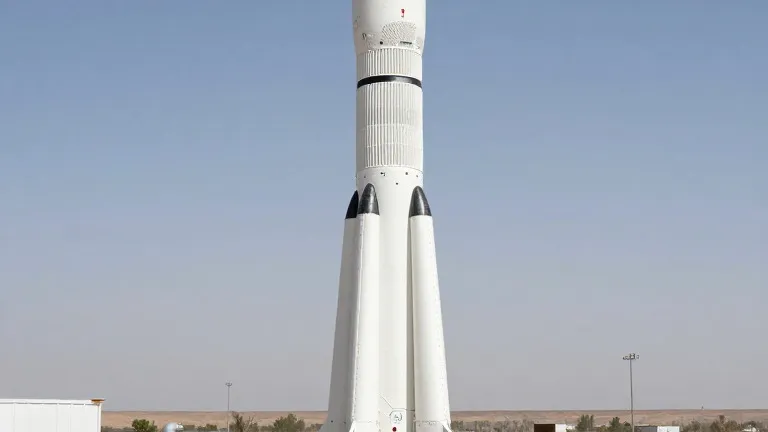
In Europe, PLD Space is moving its Miura 5 rocket toward its first flight. The Spanish company stated that the vehicle is approaching final integration. The inaugural launch is now targeted for a date before mid-2027. PLD Space has constructed three Miura 5 vehicles to date.
Raúl Torres, the company's CEO, provided a program update on October 19. He explained that the two non-launch vehicles are designed to qualify key system elements. Building all three units allowed engineering teams to work continuously across different stages of production and integration. Torres noted that lessons learned from each qualification campaign were applied directly to the launch vehicle.
One Miura 5 second stage is now fully integrated. This milestone allows system-level testing to begin under representative operating conditions. The stage is currently located at PLD's test facility in Teruel. It will undergo a qualification campaign that includes a wet dress rehearsal and a static hot-fire test.
In Canada, Reaction Dynamics is seeking to raise $350 million. The company aims to expand its workforce from 68 employees to more than 350. Reaction Dynamics is developing a small-lift rocket named Aurora, which it hopes will reach orbit in 2028. The company has also announced plans for a medium-lift vehicle called Borealis, with a debut targeted by 2031.