M. John Harrison wins 2026 Booker Prize for sci-fi novel
The 81-year-old author becomes the oldest winner in the prize's history with his post-apocalyptic satire, The End of Everything.
By Chioma Brooks ·
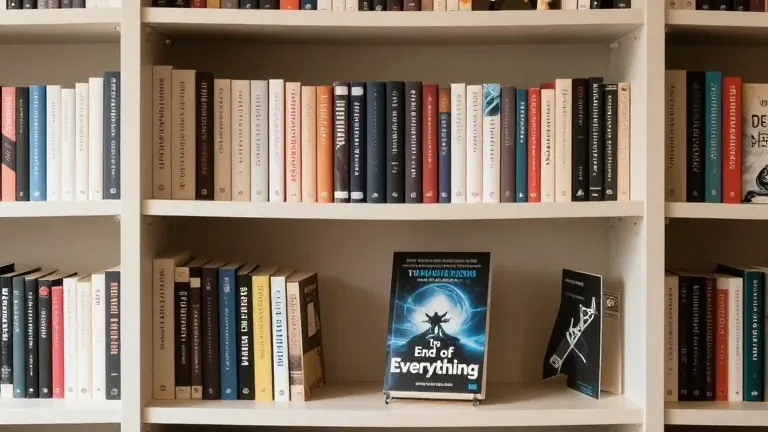
M. John Harrison has won the 2026 Booker Prize for his novel The End of Everything. The award brings a £50,000 prize, which is roughly $67,000, and a trophy presented by the previous year's winner. At 81, Harrison is now the oldest author to take home the honor in the history of the prize.
The book is a satirical science fiction story set in a post-apocalyptic future. It follows Philip, a man who searches for artifacts along the coast of Kent, England, and his aunt Marnie. The plot centers on a slow invasion by a group of shape-shifting beings known as the iGhetti.
Harrison told the Booker Prize team that he drew inspiration from current events. He asked readers to consider what happens when all of our expectations and explanations of the world become an ongoing disaster, but we still have to make a life.
Harrison has spent decades writing, with The End of Everything marking his 13th novel. Most of his career has focused on science fiction. His 2006 novel, Nova Swing, won both the Arthur C. Clarke Award in the U.K. and the Philip K. Dick Award in the U.S., which recognize the best work in the genre.
Gaby Wood, chief executive of the Booker Prize Foundation, noted that while past winners have borrowed elements of science fiction, Harrison is the first to emerge directly from that world. She called him a genuinely original thinker and a genre-defying writer who takes ideas seriously.
The judging panel for this year's prize included chair Mary Beard, poet Raymond Antrobus, Pulp frontman Jarvis Cocker, editor Rebecca Liu, and novelist Patricia Lockwood. Beard described the winning book as one that turns you upside down and raises a wry smile. She said that, surprisingly, the novel leaves you with a twinge of optimism despite its subject matter.
Other books on this year's shortlist included Marlon James' The Disappearers and Elizabeth Strout's The Things We Never Say. The 2025 prize went to David Szalay for his novel Flesh.