Philadelphia Courts Warn of Fake Turnpike Toll Texts Summoning Recipients to Hearings
Officials say bogus messages claiming a Pennsylvania Turnpike toll violation are a scam, and that the courts never demand payment by text.
By Aever Bundji ·
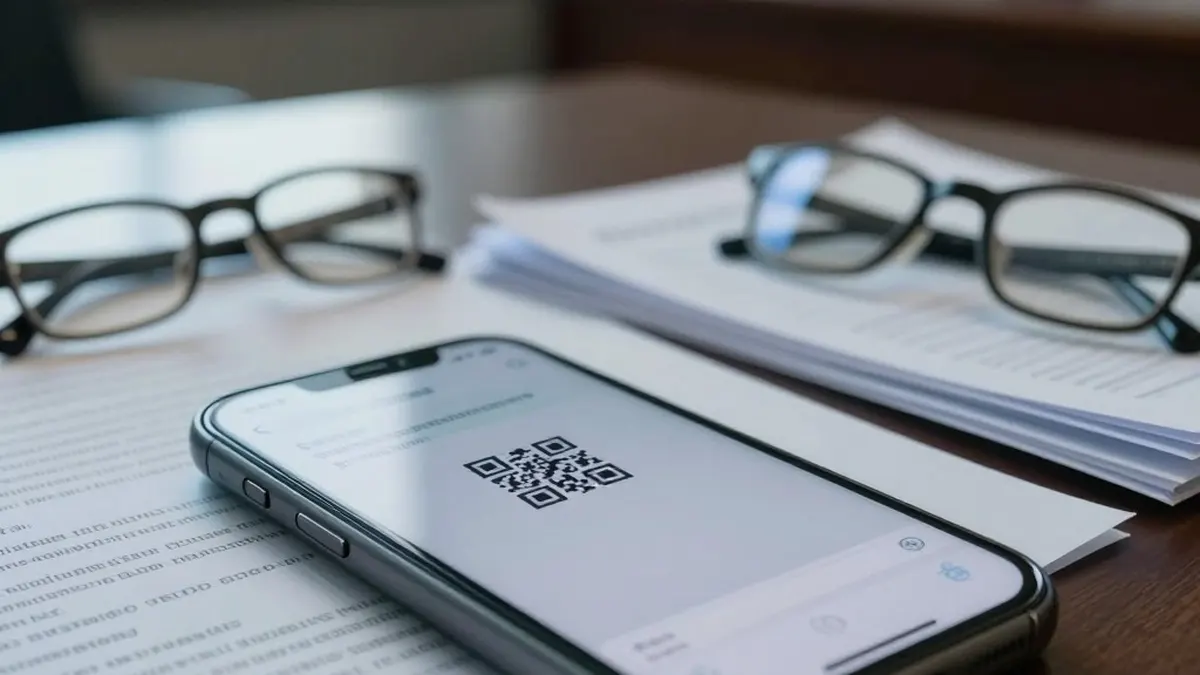
Philadelphia's court system is cautioning residents about a text-message scam that uses a made-up Pennsylvania Turnpike toll violation to pressure people into paying. The warning came in a fraud alert issued Saturday.
According to the alert, the fraudulent messages tell recipients to "appear for a hearing" in the Traffic Division of the Philadelphia Municipal Court. The texts also offer a QR code that people can supposedly use to pay a fine.
The courts said anyone who receives such a message should ignore it. The judiciary, the alert stated, would never send a text message demanding payment of any kind.
The alert also urged caution about sharing sensitive details. "The public is cautioned to NEVER provide personal, banking or credit card information via a link sent through an unknown text or phone call," it said. It added that the courts never ask for Social Security numbers or credit card information by phone or text.
People who got the message can report it to the police, to the Pennsylvania Attorney General's Bureau of Consumer Protection at 800-441-2555, or to the Federal Trade Commission through ftc.gov.
This kind of scam is known as smishing, essentially phishing carried out through SMS text messages. For those who spot the fraud right away, such messages are mostly a nuisance, but they can result in real financial harm. Data from the FTC show that American consumers reported losing $470 million to text-message scams in 2024.
Claims of unpaid Pennsylvania Turnpike tolls have been used before by scammers trying to obtain personal financial information. Over just the past couple of years, residents of the Philadelphia region have also received fake texts that purported to come from the Philadelphia police, the New Jersey Turnpike, local election offices and the Pennsylvania Department of Human Services.
Experts advise people not to click links in, or reply to, unexpected text messages. Anyone unsure whether a message is genuine should look up the agency or company online, find its official phone number and call to ask whether it actually sent the text.
Source: The Philadelphia Inquirer