Trump's $5,000 Dividend Promise Faces Reality Check After GOP Midterm Losses
Despite the President's vow that the payments would happen, Democrats now control both chambers of Congress, complicating the path for the trillion-dollar check he offered in Dallas.
By Chioma Brooks ·
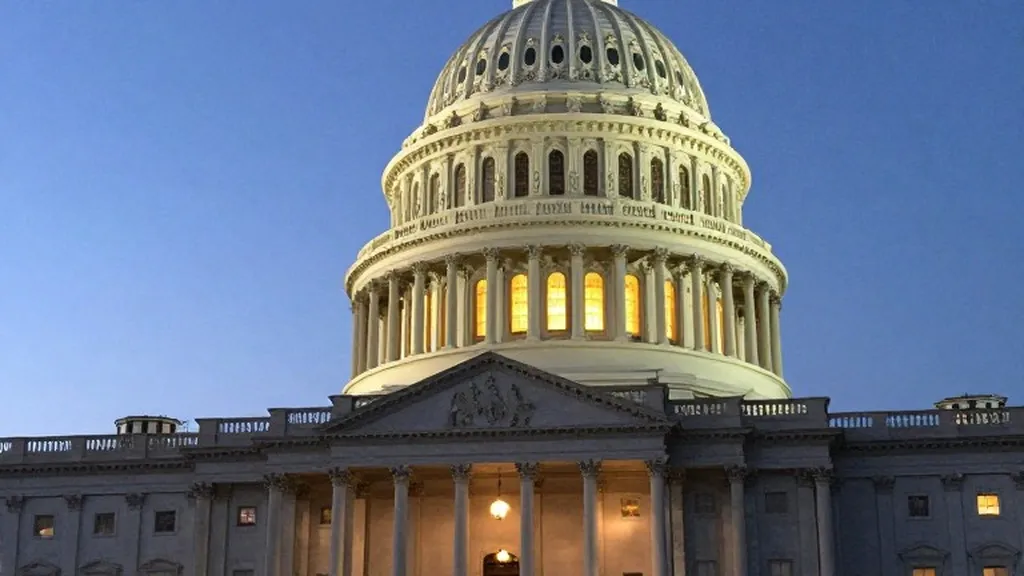
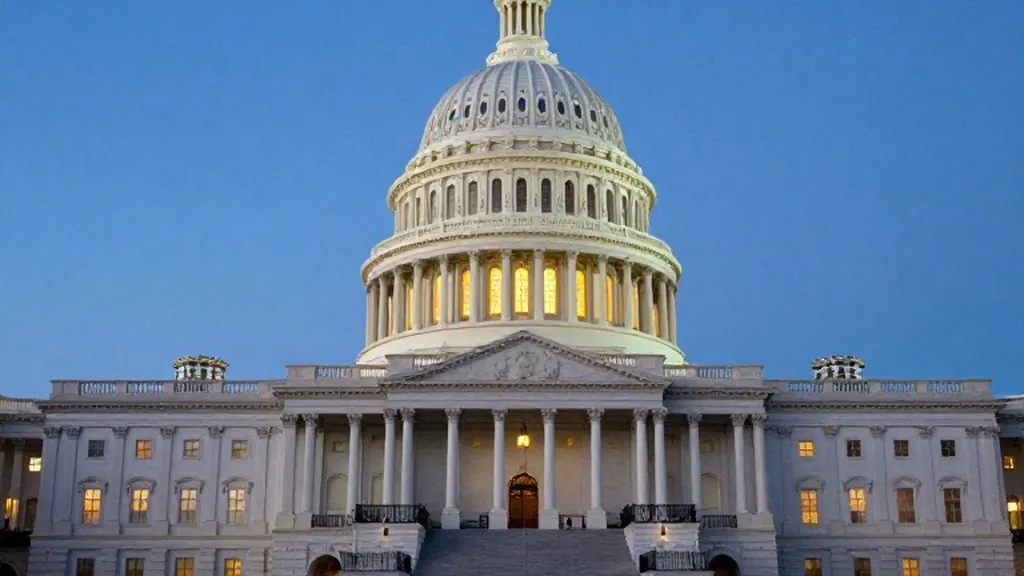
President Donald Trump promised a $5,000 payment to every adult American if his party retained control of Congress, but the midterm results have left that pledge in a state of flux. At the Republican Midterm Convention in Dallas, the President told the crowd that if Republicans won the House and Senate, voters would receive a check called the Trump Dividend. With Democrats now holding majorities in both chambers, the question of whether this was a strategic vote-buying effort or a genuine policy proposal has moved from theoretical to practical.
House Speaker Mike Johnson, who pledged to work to make the payment happen, stated that congressional approval is required. In a Sunday interview, Johnson said he would assume the President needs Congress to act on the measure. He described the idea as creative and committed to finding consensus, though he acknowledged the challenge of passing such a large expenditure with a slim majority. The President, however, initially suggested the process might not be so complex, telling reporters in Ireland that the $5,000 was going to happen one hundred percent.
The financial implications of the promise are significant. Giving a $5,000 check to the estimated 245 million U.S. citizen adults would cost approximately $1.2 trillion. This amount would add to the country's nearly $1.8 trillion annual budget deficit. Fiscal experts have raised doubts about the plan, noting that the economy is already facing persistent inflation and rising interest rates. The cost of the checks would consume a substantial portion of projected tariff revenues over a decade, a point highlighted by economists who analyzed the administration's funding sources.
Democratic leaders, now in a position of power, are weighing how to handle the proposal. Rep. Robert Garcia, who is poised to chair the House Oversight Committee, said the days of not fighting back are over. He indicated that Democrats are preparing aggressive investigations into the executive branch. While some Democrats view the dividend as a tool to keep voters engaged, others, like Sen.-elect Adam Hamilton, are cautious about letting conflict with the White House define the new agenda. Hamilton expressed a preference for setting guardrails over pursuing impeachment, suggesting a focus on delivering results for working-class families.
The promise has faced bipartisan criticism even before the election results were finalized. Republican Congressman Chip Roy questioned the logic of the payment, writing that dependency is evil in all its forms. Other Republicans wondered if the President was attempting to buy votes with a check that might never arrive. Election law experts, including Rick Hasen of the UCLA School of Law, noted that such a promise is likely legal under the First Amendment, comparing it to other campaign pledges like tax cuts or Medicare expansion. The legality of the promise is not in dispute, but the feasibility of delivering it is.
PolitiFact has found that the biggest payment is far from certain. The fact-checkers noted that the administration has announced no formal plan for how Americans would receive the checks. The White House cited tariff revenues as a potential source, but lawmakers did not include a separate tariff dividend in the One Big Beautiful Bill Act that became law in 2025. The analysis suggests that the payout would require new legislation, which political analysts said is unlikely to attain the necessary supermajority in the Senate, especially with the new partisan balance.
Democrats, who have won at least 43 House seats and seven Senate seats, now have the leverage to decide the fate of the dividend. The election results show a clear shift in power, with Democrats winning a plurality of state government trifectas and a majority of governorships. This gives the party significant control over the legislative agenda. The new Democratic leadership must decide whether to pursue the Trump Dividend as a way to deliver on economic relief or to use it as a marker of the administration's spending habits.
The cost of living was a central issue in the election, with about three-quarters of voters saying the economy is not so good or poor. About eight in ten voters reported that inflation has caused financial hardship. In this context, the $5,000 check was a direct response to voter concerns about prices and wages. However, with the new Congress in place, the administration may find it harder to push through the payment without bipartisan support. The President has argued that the strong economy makes the payment easy, but consumer sentiment remains weak as gasoline prices rise due to the war in Iran.
Speaker Johnson’s commitment to work through the proposal suggests that negotiations will begin in the new Congress. He stated that he would try to implement everything possible, framing the dividend as part of the President’s big ideas. The Democratic leadership, including new House Speaker Hakeem Jeffries, has signaled a willingness to work with the President when it delivers real results. However, Jeffries has also cast doubt on working with certain administration figures, indicating that the path to agreement may be contentious.
The Trump Dividend now stands as a test of the new political landscape. It is a promise made to voters in Dallas, conditioned on an outcome that has since changed. The Democrats who won the election are tasked with deciding whether to honor the pledge or let it fade into the background of campaign rhetoric. As the new Congress prepares to convene, the $5,000 check will likely become a focal point for debates on fiscal responsibility, economic relief, and the balance of power between the executive and legislative branches.
Ultimately, the promise may serve as a reminder of the high stakes involved in the 2026 midterms. Voters cast their ballots in a referendum on the President’s second term, and the results have given Democrats the tools to check the administration’s spending. Whether the Trump Dividend becomes a reality or a footnote in political history will depend on the ability of the new Congress to navigate the complex fiscal landscape and deliver on the economic relief that voters demanded.