Trump's $5,000 Dividend Promise Meets Democratic Control of Congress
Democrats have won both chambers of Congress, complicating the President's last-minute pledge to send checks to adults if Republicans retained power.
By Priya Marino ·
President Donald Trump promised a $5,000 payment to every American adult if the Republican Party maintained control of the House of Representatives and the Senate. He made the pledge at the Republican Midterm Convention in Dallas, calling the initiative the Trump Dividend. The proposal was designed as a direct incentive for voters to keep the President's party in power on Capitol Hill.
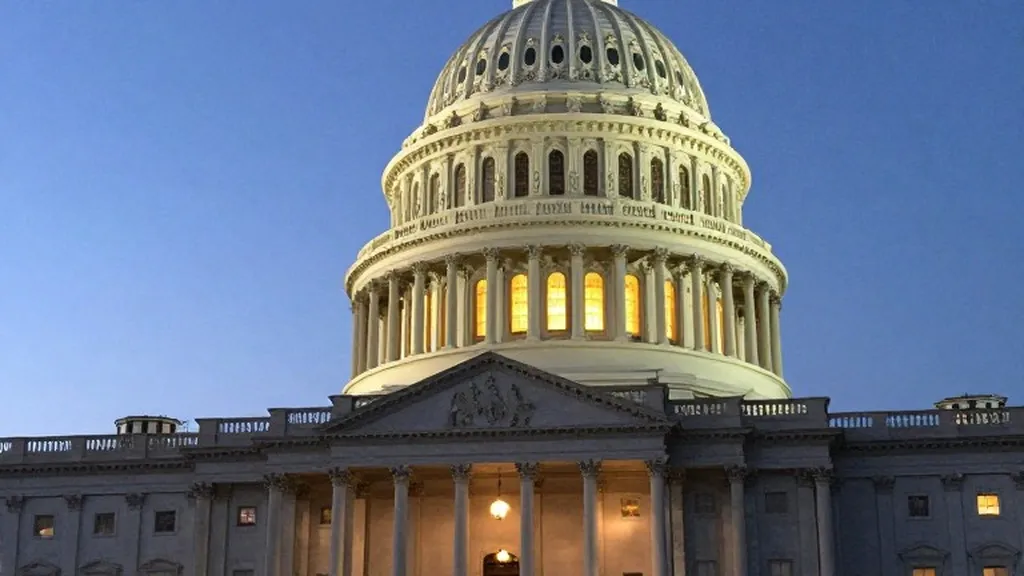
Voters have now decided to hand that power to the Democrats. According to election results reported by Ballotpedia as of 4:00 PM ET on November 6, Democrats won majorities in both the U.S. House and Senate. They captured at least 43 House seats and seven Senate seats, all of which were previously held by Republicans. This outcome means the specific condition attached to the $5,000 payment, Republican control of both chambers, has not been met.
Despite the loss of control, Trump insisted the payment would still occur. Speaking to reporters in Ireland, he stated that the 5,000 dollars was going to happen, 100 percent. This assertion came after House Speaker Mike Johnson said the proposal needed congressional approval. Johnson, a Republican, acknowledged that the President would likely need Congress to act to make the idea a reality, calling it a creative idea.
The President initially suggested that Congress might not need to authorize the payments. He told CBS News Texas that he did not think lawmakers had to approve the checks, though he did not specify how he could spend more than one trillion dollars without their authorization. The discrepancy between the President's confidence and the Speaker's procedural requirements highlights the legal and financial hurdles facing the plan now that a Democratic Congress is in place.
Democratic leaders and fiscal experts have raised questions about the timing and funding of the promise. The payment could cost the federal treasury more than one trillion dollars, a significant strain on a country already running a nearly 1.8 trillion dollar annual budget deficit. Senator Bernie Moreno of Ohio said he would introduce legislation to fund the proposal, but political analysts noted that such a bill would likely face difficulties in a divided or Democratic-controlled legislature.
Erica York, a senior economist at the Tax Foundation, wrote that the cost of the checks would consume almost all the revenue that new tariffs are projected to bring in over a decade. The Tax Foundation previously estimated that Trump's tariffs would generate about 158 billion dollars in revenue in 2025 and 208 billion dollars in 2026. With the Supreme Court striking down most of the President's tariffs in February, the funding source for the dividend has become even more uncertain.
Rick Hasen, an election law professor at UCLA, noted that while the promise is likely legal under the First Amendment as a campaign promise, the President does not have the power to execute it on his own. He compared the pledge to other common campaign rhetoric, such as promises to cut taxes or expand healthcare. Hasen emphasized that the mechanism for delivery still requires legislative action, which is now in the hands of the new Democratic majority.
Voters expressed frustration with the administration's handling of the economy and the war in Iran, issues that were central to the midterm campaign. A poll from the Associated Press and NORC Center for Public Affairs Research found that three-quarters of voters say the economy is not so good or poor. About eight in ten said inflation has caused a severe or moderate financial hardship for their households. This sentiment contributed to the decisive shift in power in Washington.
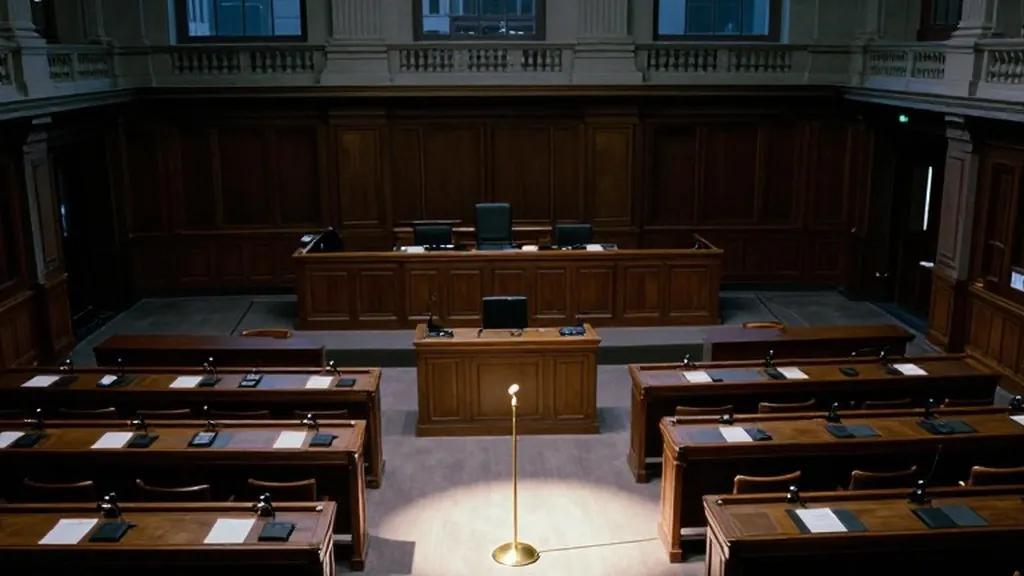
The Democratic victory in Congress provides a new layer of oversight for the President's initiatives, including the proposed dividend. With Democrats holding the House and Senate, they can scrutinize the budgetary impact of the checks and the method of distribution. The President's promise now serves as a test of his ability to implement major financial policies in a Congress led by his political opponents.
Houston Mayor John Whitmire, a Democrat, signed an order limiting police cooperation with federal immigration authorities, citing the recent shift in power in Texas. This action is part of a broader trend of Democratic officials taking immediate steps to check federal authority following the election. The Trump Dividend, meanwhile, remains a prominent talking point as the new Congress prepares to take office in January.
The National Council of State Legislatures indicated that this election cycle will likely result in the most legislative seats and chambers changing parties since 2010. With Democrats winning full control of state governments in at least six states and securing governorships in at least 28 states, the political landscape has shifted significantly. The $5,000 dividend is now a policy proposal that must navigate a Democratic-controlled Congress rather than a guaranteed benefit for voters who supported the Republican ticket.