2000 Census: 90% of 163,036 Washingtons Identified as Black
New analysis of historical records shows how slavery, military service, and post-emancipation choices shaped the surnames carried by Black Americans today.
By Chioma Brooks ·
The 2000 U.S. Census recorded 163,036 residents with the surname Washington, and approximately 90 percent of them identified as African American.
That concentration distinguishes Washington from other common American last names. NBC writer Julian Craven notes that this pattern reflects complex decisions made by families over generations. Some formerly enslaved people adopted the name to signal their new freedom, while others selected it because it carried national significance. There is no single explanation that applies to every family. Some groups may have used the name long before the Civil War ended. The data confirms that naming practices were shaped by both individual preference and social context.
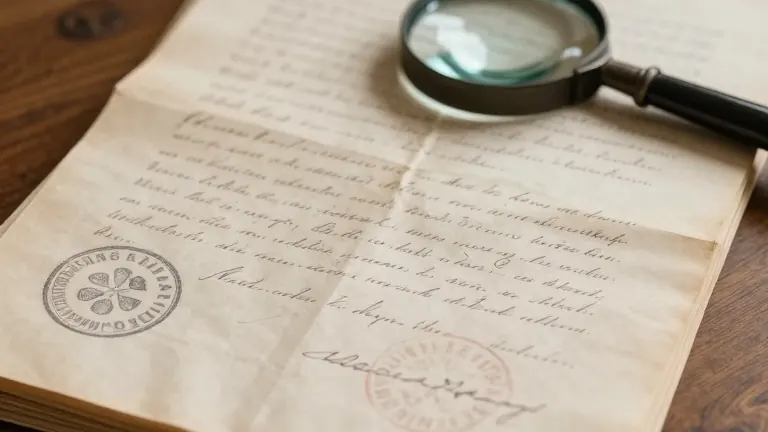
Historians point to Civil War records as a primary source for understanding these shifts. White military administrators often registered Black men serving in the Union Army. These officials sometimes recorded names based on pronunciation rather than spelling. Pension files for United States Colored Troops veterans also contain evidence of name changes. Special investigators required veterans to explain discrepancies when applying for benefits. These documents help trace ancestry, but they also show how administrative errors and dialect differences created inconsistencies in official records.
Genealogist Kenyatta Berry, who hosted PBS’s Genealogy Roadshow, advises researchers to look beyond assumptions. Berry told Craven that a shared surname does not automatically indicate a connection to an enslaver. "If you know that your ancestors took the last name of their enslaver, what’s the relationship between them and their enslaver?" Berry asked. "Did they take that name because they grew up on that plantation? Or is there some type of family relationship to why they chose that surname after emancipation?"
Historian Henry Wiencek, author of "An Imperfect God: George Washington, His Slaves, and the Creation of America," provided context on why some families kept existing names. In a 2011 interview with ABC7 New York, Wiencek explained that large planters remained powerful figures in their regions after the war. "Keep in mind that after the Civil War, many of the big planters continued to be extremely powerful figures in their regions, so there was an advantage for a freed person to keep a link to a leading white family," Wiencek said.
The 2020 U.S. Census lists Jefferson, Charles, Jackson, Booker, and Joseph among the most common surnames for Black Americans. These names are also widespread in the general population. Researchers note that sharing a last name does not imply shared ancestry. Each family’s history is distinct, shaped by marriage, migration, and deliberate choices made after legal freedom was granted.
Source: WZAK