Trump Administration Weighs Delisting Gray Wolves Amid Farming Conflicts
The Trump administration is set to decide on delisting gray wolves, a move that could grant states more control over the predator and ease tensions with livestock producers.
By Priya Marino ·
The Trump administration is currently evaluating whether to remove federal protections for gray wolves, a decision that could reshape the long-standing conflict between livestock producers and environmental groups. The Interior Department faces a December 3 deadline to determine if gray wolves and Mexican wolves have met recovery criteria under the Endangered Species Act. If the standards are satisfied, the department must initiate the process of reducing or removing these federal safeguards.
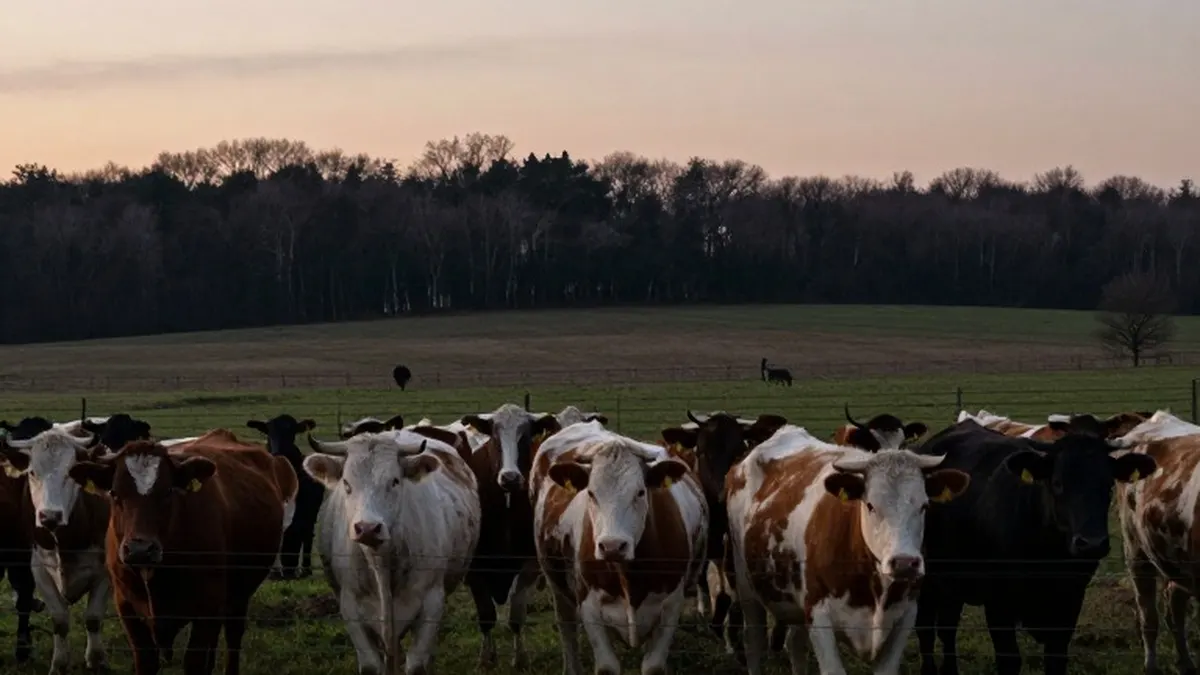
Shayne Isane, a Minnesota farmer with nearly four decades of experience, represents the agricultural sector demanding greater authority over wolf populations. He reported losing multiple calves to predators that roam his property at night, describing the howling as a source of constant anxiety. Isane noted that despite seeing wolves attack his livestock, he is legally restricted from shooting them unless a human life is threatened. This legal barrier creates significant stress for farmers who feel unable to protect their livelihoods.
The financial impact of wolf predation is substantial for producers. Isane stated that the loss of one or two animals can cost approximately $3,000 per head, directly affecting their bottom line. In Minnesota, farmers must report losses within 48 hours and provide the carcass to receive reimbursement from the state’s Wolf Livestock Depredation Grant. The Minnesota Department of Agriculture confirmed that the program offers 100% reimbursement for verified losses at full market value, though it clarified that broader wolf management is not its primary responsibility.
Beyond direct losses, Isane argued that the presence of wolves causes added stress to herds, leading to weight loss and health issues. He criticized state-suggested deterrent methods, claiming that wolves have learned to outsmart them. Isane described the wolf population as out of control, noting that he sees 50 to 100 wolves now, compared to very few in his early years. However, the Minnesota Department of Natural Resources reported a stable population of approximately 2,400 gray wolves in 2026, with no statistically significant change from the previous year.
White House Deputy Press Secretary Taylor Rogers stated that previous administration policies left ranchers defenseless, contributing to a 75-year low in the national cattle herd and higher consumer prices. She said President Trump is reversing these policies to support American ranchers. Shawn Regan, a senior fellow at the Manhattan Institute, agreed that the Endangered Species Act is not an ideal tool for managing recovered populations and that delisting allows for a transition to state management.
Delisting wolves has been a priority for the Trump administration since his first term, when protections were removed for most states. That decision was overturned by a federal judge in 2022, restoring protections except in the Northern Rockies. The Ninth Circuit Court of Appeals is currently reviewing that ruling. Environmental groups, including Humane World Action Fund and Defenders of Wildlife, argue that delisting could reverse years of recovery and distract from other economic pressures facing farmers. They note that wolves account for less than 1% of total livestock loss.
Gabriella Hoffman, director of the Independent Women’s Forum Center for Energy and Conservation, suggested that delisting might be a temporary fix if Congress does not codify the change. She argued that a management system prevents the species from becoming endangered again and that increased wolf activity is a sign of a thriving population. Collette Adkins of the Center for Biological Diversity warned that removing protections could erase decades of recovery work, urging livestock operators to learn to coexist with wolves.
Jonathan Miller, a Michigan dairy farmer, has used protective fencing to manage wolf interactions since the early 2000s. He described the fencing as effective but labor-intensive, requiring constant maintenance to keep the barrier electrified. While he supports state management over local control, Miller expressed a desire to coexist with wolves rather than eliminate them, noting that he enjoys seeing the predators but believes there must be control.
More News · National news · Report a business · Got a Story?