Courts intervene as voting rules face legal challenges on Election Day
Federal judges blocked noncitizen voting measures in Alaska and California, while the Postal Service ramps up operations to ensure mail ballots are counted on time.
By Abigail Brooks ·
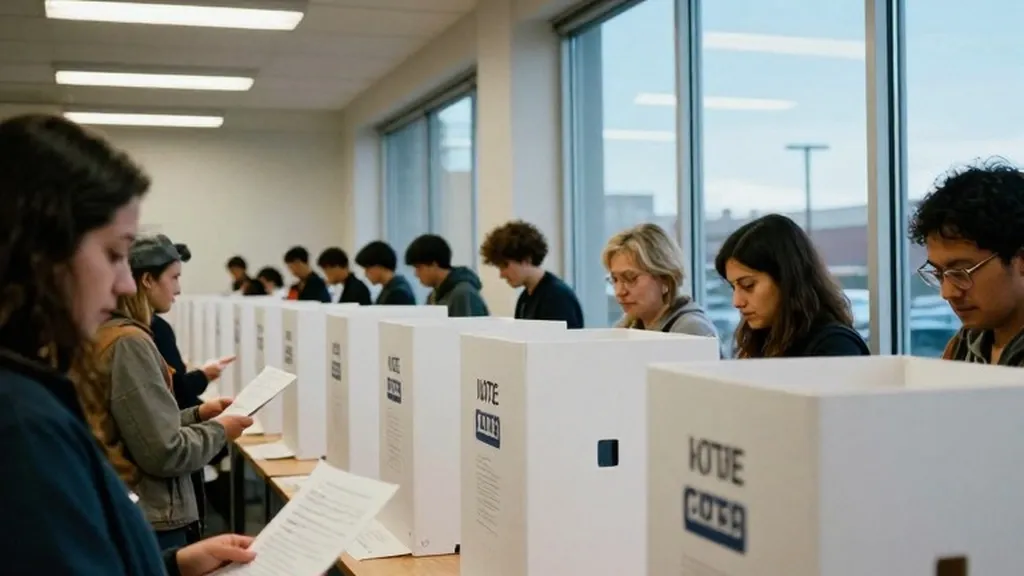
The legal landscape surrounding the November 3 midterm elections has shifted significantly in the final hours before polls close. Federal judges issued temporary orders on Monday that halted key components of the Trump administration's plan to address noncitizen voting. In Alaska, a judge temporarily barred the administration from carrying out a strategy it claims would prevent noncitizens from casting ballots. Critics of the plan argue that it risks disenfranchising eligible voters and infringes on the authority of states to manage their own elections. The ruling adds another layer of complexity to a race that Democrats view as a crucial test of their ability to protect the vote against what they describe as federal interference.
In California, a judge ordered the administration to stop demanding that election officials segregate ballots cast by individuals on its lists of suspected noncitizens. This move was seen by legal experts as a check on the executive branch's efforts to impose uniform national standards on state-run elections. The administration had sued in both states, actions that Democrats fear could create an atmosphere of intimidation for local election officials. The Justice Department has threatened to prosecute local election officials, a stance that has heightened tensions between federal and state election administrators as the day of voting arrives.
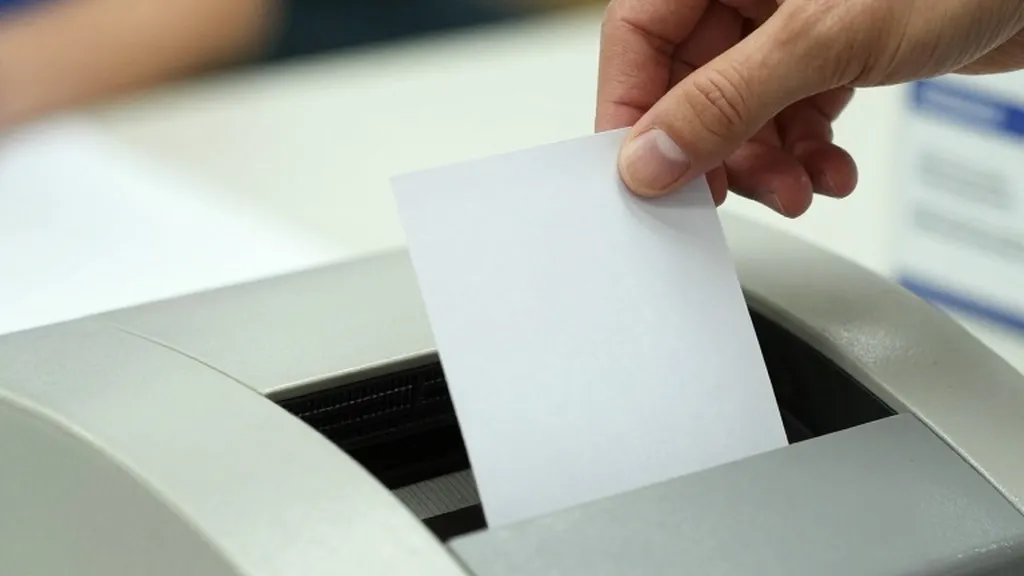
These legal developments occur against a backdrop of intense scrutiny over voting rules and administration. The Postal Service has taken concrete steps to support the election, adding hours, staff, and special lines to ensure that mail-in ballots are processed and counted on time. This operational boost is critical for states that rely heavily on mail voting, including California, Colorado, Hawaii, Nevada, Oregon, Utah, Vermont, and Washington. The efficiency of these operations will be a key factor in how quickly results are tallied and how smoothly the election proceeds in these jurisdictions.
The stakes for this election extend beyond simple party control. The results will determine who controls Congress for the final two years of President Donald Trump's second term. Democrats need a net gain of three House seats and four Senate seats to achieve majorities in both chambers. Republicans can afford to lose no more than two House seats and two Senate seats to maintain control. With all 435 House seats and 35 Senate seats up for grabs, every vote counts in a race that has become a national referendum on the current administration's performance.
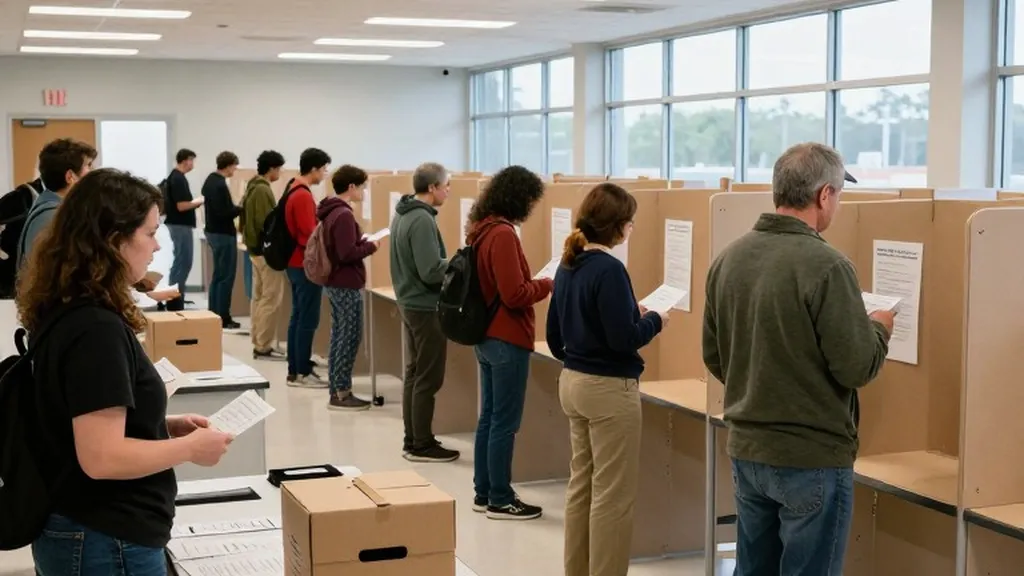
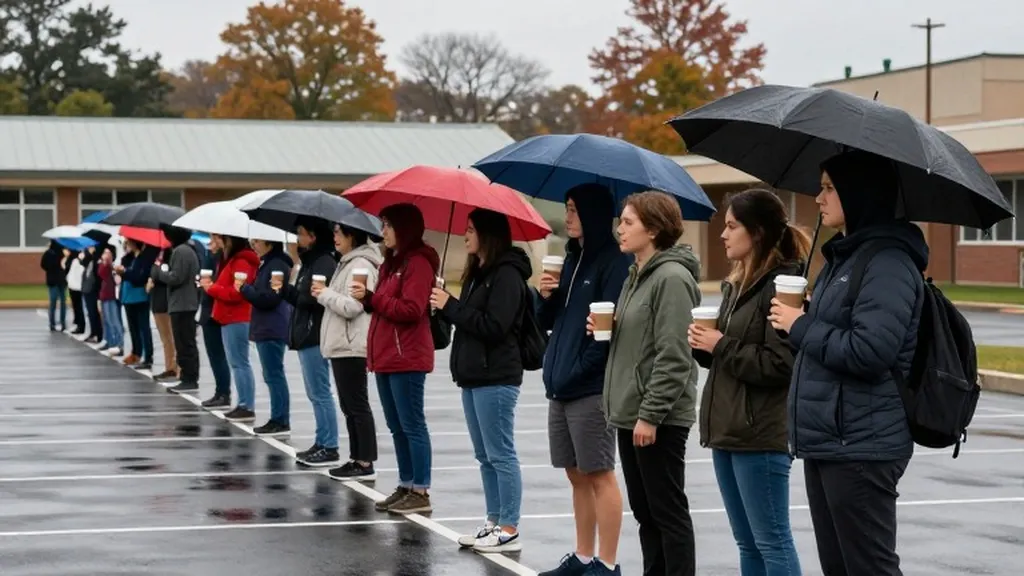
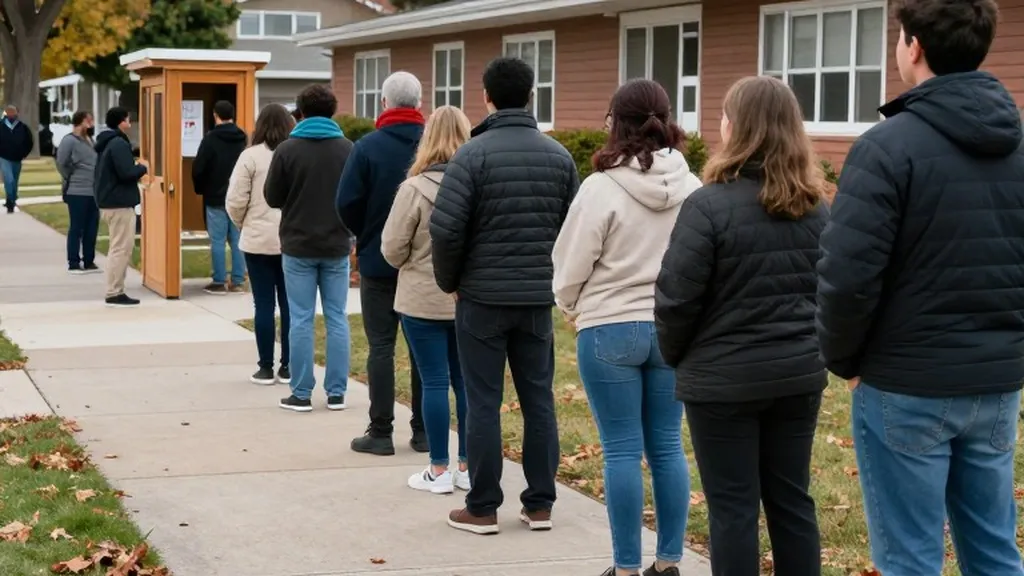
Voters are weighing high prices and an unpopular war with Iran as they head to the polls. Associated Press polling indicates that only 35 percent of U.S. adults approve of Trump's job performance, while about seven in ten say the country is heading in the wrong direction. More than 57 million people had already voted as of Monday, surpassing early vote totals from four years ago in many closely watched states. This high level of early participation suggests a deeply engaged electorate that is closely monitoring the legal and administrative hurdles facing the election.
Money plays a significant role in this contest, with the 2026 elections likely to be the most expensive in history. Republican committees have outraised and outspent their Democratic counterparts, aided by Trump-affiliated groups and Elon Musk. However, at the candidate level, Democrats have managed to outraise their opponents. A striking analysis of advertising data shows that 88.1 percent of Republican general election TV ad spending went to states and districts that Trump won in 2024. This concentration of resources highlights the Republican strategy to fortify their base while Democrats focus on flipping competitive districts in swing states.
The legal battles in Alaska and California are part of a broader pattern of federal involvement in the election process. The administration's lawsuits have raised questions about the separation of powers and the role of the federal government in state elections. As polls open across the country, these legal precedents will be closely watched by both parties. The outcome of these cases could set the tone for how future elections are administered and how federal and state authorities interact during the voting process.
State-level dynamics are also playing a crucial role. Six states are using new congressional maps after mid-decade redistricting, including California, Florida, Missouri, North Carolina, Tennessee, and Texas. Ohio is also using a new map. These changes have altered the competitive landscape, with some new districts potentially voting differently than their predecessors. The AP notes that Republicans tried to beat the historical pattern of the president's party losing seats in midterms through redistricting, but the effectiveness of these new maps remains to be seen.
As voters cast their ballots, the focus is on the practical implications of the recent court orders. The temporary bar on the noncitizen voting plan in Alaska and the order to stop ballot segregation in California provide a degree of stability to the election process. The Postal Service's expanded operations ensure that mail ballots are handled efficiently, reducing the risk of delays in counting. These measures are designed to facilitate a smooth and fair election, allowing voters to make their choices without undue disruption from legal or administrative challenges.
The day's events will provide early insights into the direction of the race. With polls open in most states, the flow of voters and the initial reports from key battlegrounds will shape the narrative of the election. The legal interventions by federal judges have set the stage for a closely watched vote, where the interplay between political strategy and judicial oversight will be evident. As the day progresses, the focus will remain on how these legal and administrative factors influence the final outcome of the midterm elections.