Iran War and Cost of Living Drive Midterm Stakes in 2026
Voters face a referendum on the administration's handling of the conflict and economic strain as polls open for the decisive midterms.
By Chioma Brooks ·
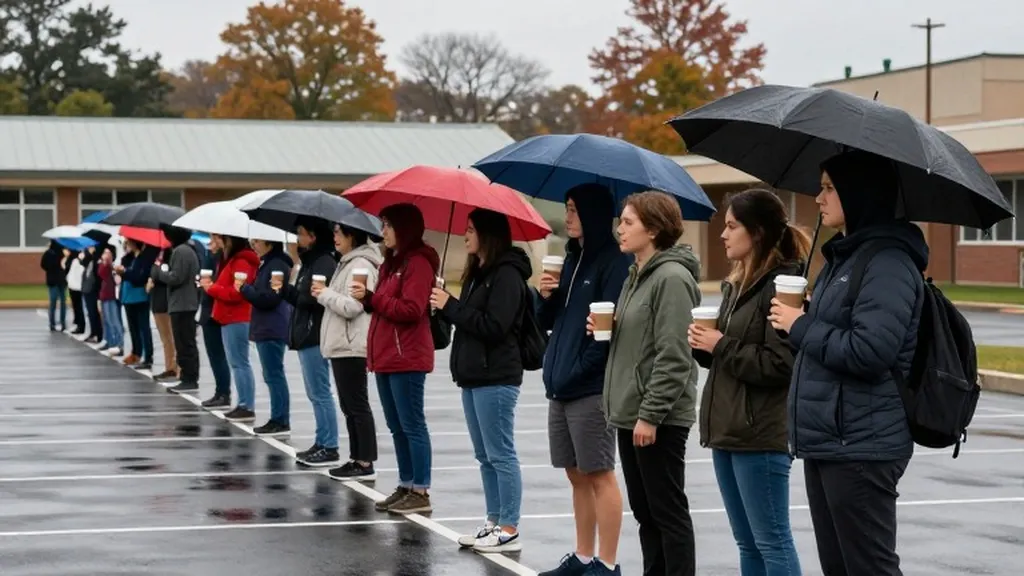
Election Day has arrived in the United States, marking the halfway point of President Donald Trump's second term. The stakes are high as voters determine who will control Congress for the final two years of the administration. The Associated Press describes the election as a referendum on the presidency, with many citizens struggling with high prices and anger over an unpopular war with Iran. This conflict has become a central issue in the campaign, influencing how voters view the current leadership and the direction of the country.
According to AP-NORC polling, only 35 percent of U.S. adults approve of the president's job performance, while 25 percent approve of his handling of the economy. Approximately seven in ten Americans say the country is heading in the wrong direction. Most respondents blame the president for high prices. This sentiment is particularly acute in the context of the ongoing conflict with Iran, which has drawn significant attention to foreign policy and national security costs.
In the House of Representatives, all 435 seats are up for grabs. Republicans currently hold 218 seats, while Democrats hold 214. Democrats need a net gain of three districts to secure a majority, whereas Republicans can afford to lose no more than two. Ballotpedia counts 46 battleground districts, with 25 held by Democrats and 21 by Republicans. The outcome in these competitive seats will largely depend on how voters weigh the cost of living against their views on the Iran war and other national issues.
The Senate race involves 35 seats, including 33 regular elections and two special elections. Republicans hold 53 seats, Democrats hold 45, and two independents caucus with Democrats. Democrats need a net gain of four seats to take control of the chamber. The Associated Press notes that the war with Iran and economic concerns have made several Senate races highly competitive. States like Maine, Iowa, and Michigan are considered toss-ups or leans, with candidates citing economic strain and tariffs as key factors in the race.
In governorships, 36 races are on the ballot. Republicans hold 26 offices and Democrats hold 24. Democrats are aiming to hold a majority of governorships for the first time in two decades. The Associated Press identifies several competitive races, including Texas, Florida, and Iowa. In Georgia, Democratic former Atlanta Mayor Keisha Lance Bottoms is challenging Republican health care executive Rick Jackson. These races are closely watched as they may influence the overall tone of the administration's final two years.
The financial aspect of the election is also a significant factor. The 2026 elections are likely to be the most expensive in history. Republican committees have outraised and outspent Democratic committees, aided by Trump-affiliated groups and Elon Musk. However, at the candidate level, Democrats have outraised their opponents. An analysis by the Associated Press of AdImpact data shows that 88.1 percent of Republican general election TV ad spending went to states and districts that Trump won in 2024. This spending strategy reflects the Republican focus on defending key areas while also challenging Democrats in competitive districts.
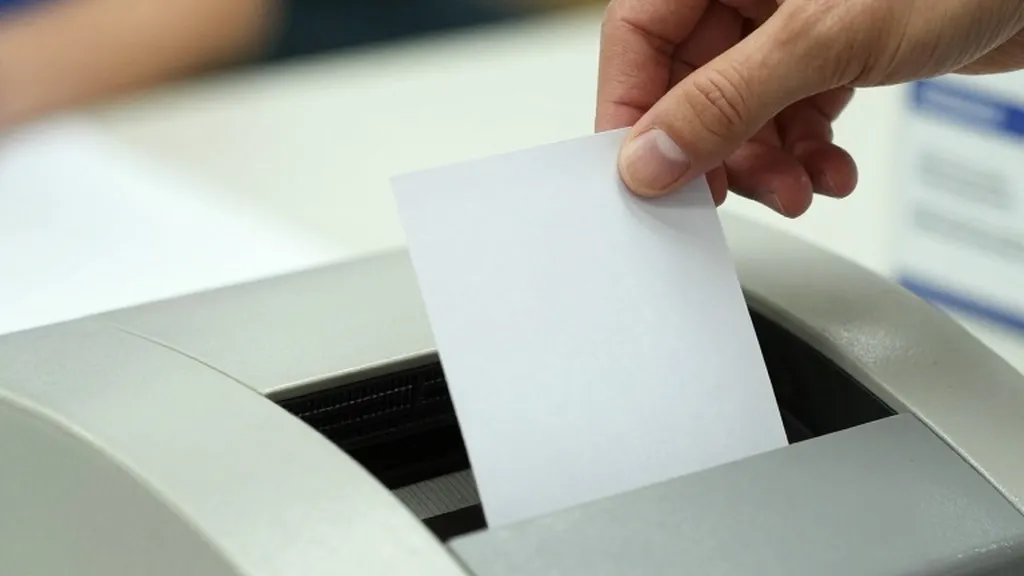
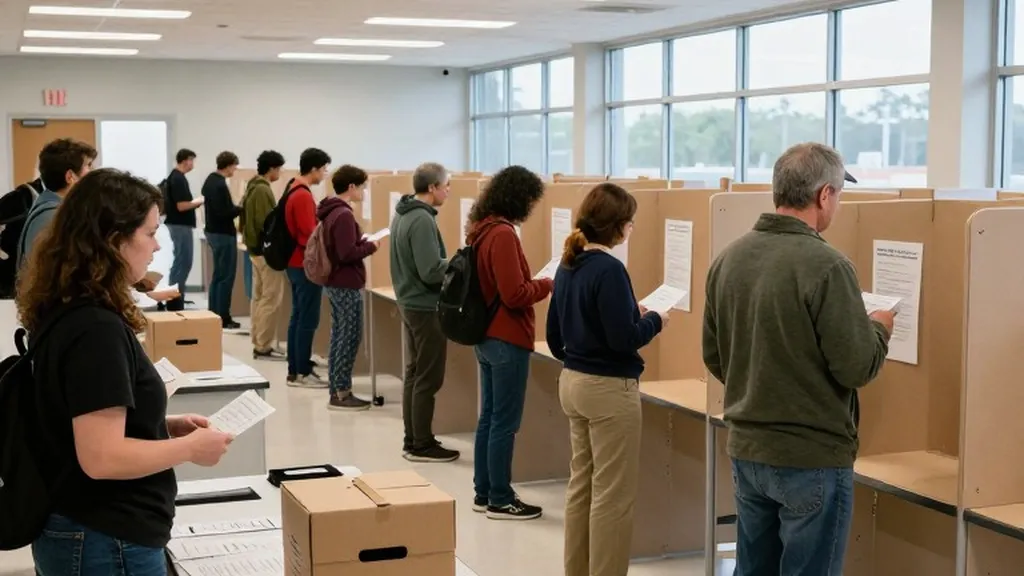
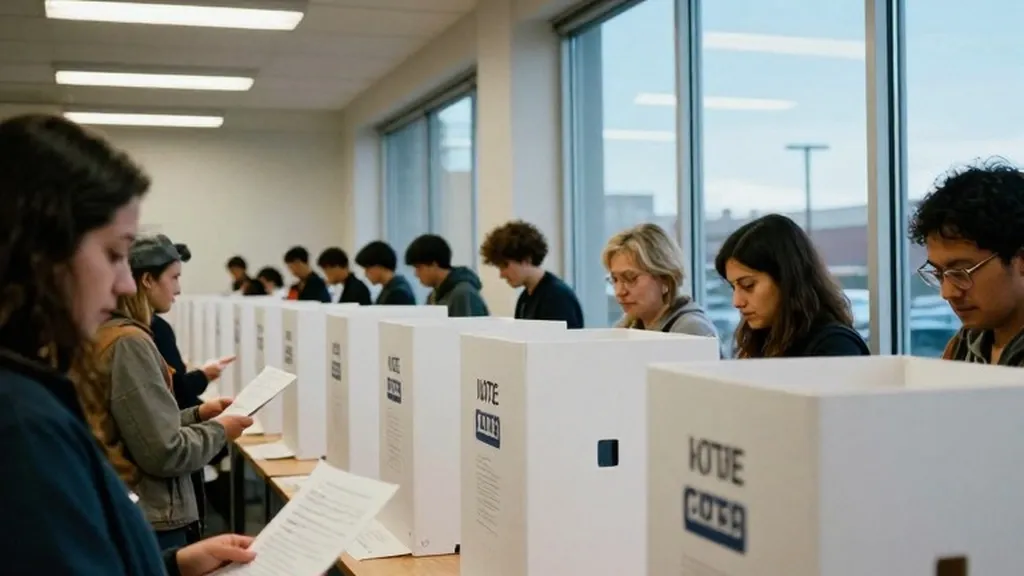
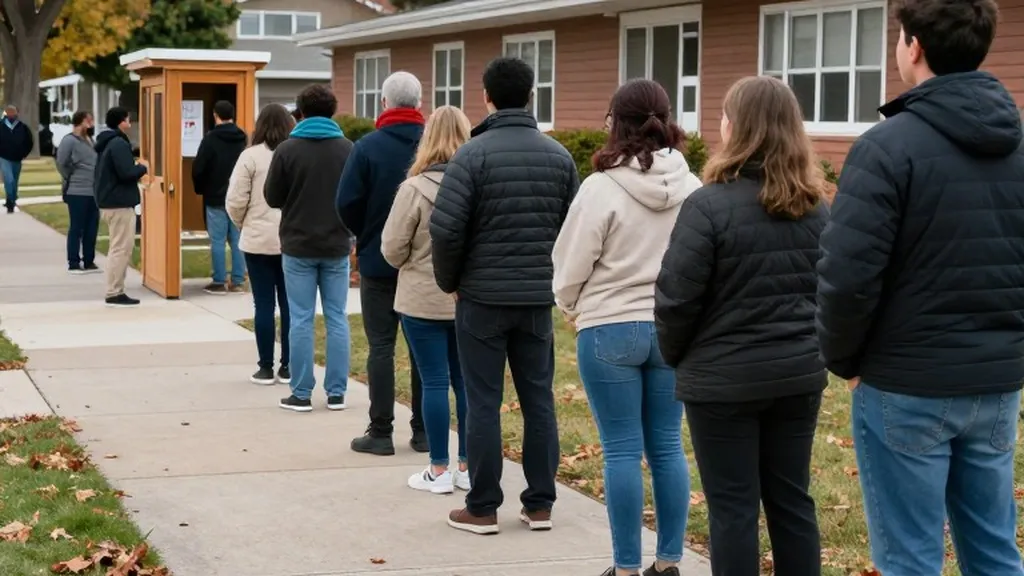
Voter turnout is expected to be high, with more than 57 million people having already voted as of Monday. This surpasses the early vote of four years ago in many closely watched states. The Associated Press reports that Republicans are bracing to lose the House and are fighting to hold the Senate. Democrats are described as cautiously optimistic. The president held dozens of rallies, ending Sunday in Salina, Kansas, where he told supporters, "I really want you to pretend I'm on the ballot." This campaign has kept the president in the spotlight, even as he is not on the ballot in most states.
The administration has continued to make claims about voting fraud, including that noncitizens vote in large numbers. The Justice Department has threatened to prosecute local election officials, and the administration has sued in Alaska and California. A federal judge temporarily barred the administration from carrying out a plan to prevent noncitizen voting, while another judge ordered the administration to stop demanding that California officials segregate ballots cast by suspected noncitizens. These legal battles have added to the complexity of the election administration, with critics arguing that the actions risk disenfranchising eligible voters.
For Democrats, winning even one chamber of Congress would make investigations and possible impeachment proceedings likely. House Democratic Leader Hakeem Jeffries has outlined a 100-day agenda focused on the cost of living and oversight of the administration. A strong Democratic performance could also boost potential 2028 candidates like Gavin Newsom, JB Pritzker, and Pete Buttigieg. Conversely, a Republican victory would maintain the status quo and allow the administration to push its agenda without the threat of legislative checks.
As voters head to the polls, the outcome of the Iran war and the economic situation will be central to the decision. The Associated Press notes that the war is unpopular, and this sentiment is driving voter behavior. In the Senate, races in states like Maine and Michigan are being influenced by economic strain and tariffs. In the House, the 46 battleground districts will be decided by how voters balance these issues against their partisan loyalties. The result will shape the political landscape for the next two years and set the stage for the 2028 presidential election.
The U.S. Postal Service has added hours, staff, and special lines to ensure mail ballots are counted on time. Wall Street is watching the results closely, with Reuters noting that the outcome could add to investor concerns about AI spending and debt ceiling negotiations. The election is not just about who controls Congress but also about the direction of the country in the face of global conflicts and domestic economic challenges. Voters are making their choices with the knowledge that the next two years will be defined by the decisions made today.