Civil Rights Division chief resigns after 18 months
Harmeet Dhillon's departure follows a tenure marked by the dismissal of 300 attorneys and a shift toward enforcing presidential executive orders.
By Priya Marino ·

Roughly 300 attorneys were pushed out of the Civil Rights Division during the 18 months Harmeet Dhillon led the unit. Her resignation, announced on November 5, ends a period of radical restructuring within the Justice Department. Dhillon is the first senior official to leave the administration since Democrats regained control of both chambers of Congress in the midterm elections.
Dhillon assumed the role as a conservative attorney and Trump loyalist. She viewed the division, established about 70 years ago to combat racial segregation, as having historically protected only the rights of people of color. Upon taking office, she shifted the unit's focus to advance the executive branch's political goals. In 2025, she stated at a Federalist Society event that the division would not just slow down progressive movements but would actively pursue executive objectives.
Under her leadership, the division redirected its enforcement powers. It moved to enforce presidential executive orders aimed at ending alleged radical indoctrination in schools, protecting women from gender ideology extremism, and combatting antisemitism and anti-Christian bias. The unit also accused numerous universities and law schools of discriminating against white and Asian students. It filed lawsuits against UCLA and Harvard, alleging they allowed antisemitism to flourish on their campuses.
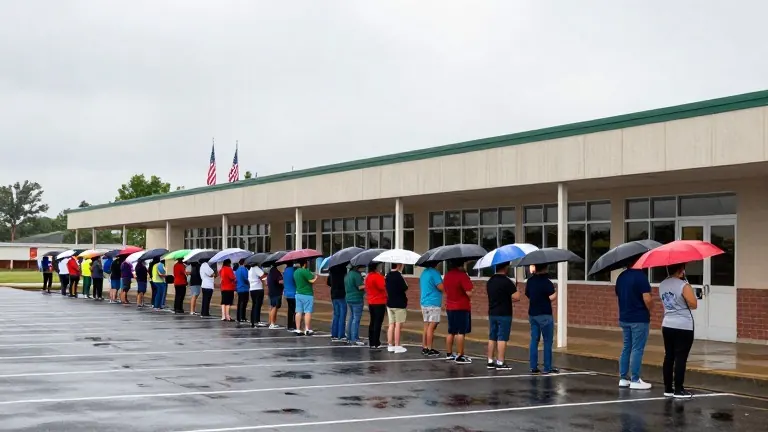
The division became heavily involved in the 2026 midterm election cycle. It sued dozens of states to obtain voter information, a move aligned with President Trump's allegations of voter fraud. Election officials resisted the demands, and courts dismissed the department's lawsuits in most cases.
Attorney General Todd Blanche accepted the resignation on X. He wrote that Dhillon defended civil liberties and enforced the law without fear or favor. Blanche expressed gratitude for her service and wished her success in future endeavors.
Critics within the legal community describe the tenure as damaging to the division's mission. Stacey Young, a former division attorney who now heads Justice Connection, a group of department alumni, called Dhillon the most destructive head of the division in Justice Department history. Young stated that Dhillon used the department's power to threaten universities and local officials in cases that rarely succeeded in court. She added that Dhillon decimated a unit that had brought civil rights laws to fruition for nearly 70 years.