EQT to buy Range Resources: Combined firm controls 27% of Appalachian gas
Analysts expect few regulatory hurdles and little short-term impact on consumer prices.
By Chioma Brooks ·
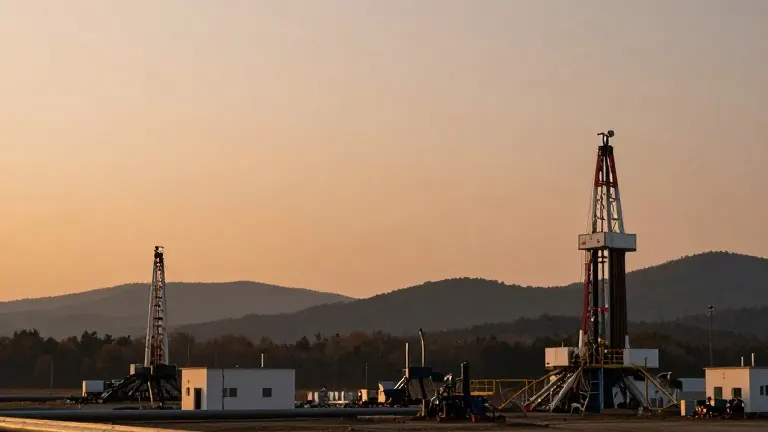
EQT, based in Canonsburg, announced it will purchase Texas-based Range Resources. The deal would make EQT the largest natural gas producer in the United States. Upon completion, the combined company would control approximately 27% of natural gas extracted from the Appalachian basin, according to Lydia Walker, an oil and gas strategy analyst at Wood Mackenzie.
Regulatory approval is expected to proceed smoothly because the two companies serve diverse customer bases. Ayisha Zia, a corporate strategy analyst at Wood Mackenzie, stated that there is no huge customer concentration in the sector. She noted that regulatory hurdles appear low for this specific type of transaction. Zia also clarified that Range Resources is not selling out of financial distress. Instead, both companies recognize they can negotiate larger deals together than they can individually.
The merger comes as demand for gas to power data centers grows in the region. EQT has already secured agreements to supply projects like the Homer City redevelopment. The acquisition positions the company to scale operations to meet future demand. In the merger announcement, company leaders said the resulting firm would have a low-cost structure. They claimed this structure would deliver superior returns for investors.
Jeremy Weber, a professor of energy policy and economics at the University of Pittsburgh, suggested the merger may not significantly alter consumer prices in the short term. He compared the deal to a small ripple in a pond with big waves. Weber explained that global events, such as the war in Ukraine or the conflict in Iran, currently shape natural gas prices more than regional mergers. Weather patterns and infrastructure capabilities also drive demand and price fluctuations.
Weber views the move as a sign that the Appalachian gas industry is maturing. He noted that the industry is here to stay. However, the merger does not necessarily signal an immediate increase in production. The easiest and most fertile drilling sites were likely tapped early on. Drilling in new, more difficult locations with lower reserves could be more expensive.
As demand grows from global sources or domestic electric power needs, prices may rise. Weber said this price increase would encourage more drilling. But it would also justify the higher costs associated with those new wells.
Source: The Allegheny Front
More Business · Consumer Watch · Report a business · Got a Story?