Ohio Veterans Homeless Count Hits 250 in Cincinnati as VA Secures $32 Million
While national numbers dip, local counts in Cincinnati have ticked up, prompting new developments in tiny home communities and a major federal funding injection.
By Chioma Brooks ·
Cincinnati recorded approximately 250 homeless veterans in August 2026, a figure that represents an increase of 30 to 40 individuals from the previous month. This local uptick stands in contrast to national trends where veteran homelessness reached an all-time low in 2025. The Cincinnati Veterans Affairs office reported these figures, noting a complex dynamic in how the data is captured.
Nicole Michaelson, the Community Outreach Coordinator for the Cincinnati VA, questioned whether the rising numbers reflect a genuine increase in the population or simply a result of intensified street outreach efforts. "Is it the numbers rising or because we are really doing a lot of street outreach?" she asked. Regardless of the cause, the region is expanding its physical housing infrastructure to accommodate veterans.
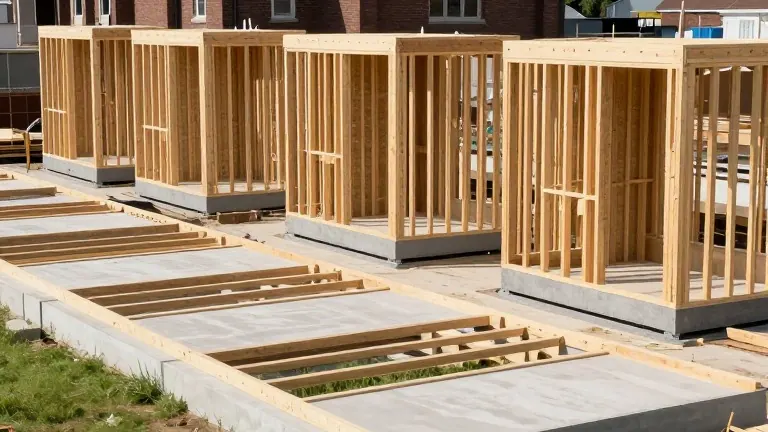
Two new developments are currently in the pipeline for the area. Tiny Homes for Humanity is constructing 14 rental units on 0.75 acre of land at the Gaines United Methodist Church campus near Prentice Street. The project, dubbed Veterans Village, has raised over $3 million but still requires $150,000 to cover operating costs. Groundbreaking is scheduled for early 2027.
Simultaneously, Model Group is leading the construction of a separate Veterans Village in Amelia, Clermont County. This site on 15 acres adjacent to Mt. Holly Christian Church will feature 19 housing units and a community center with on-site VA services. The units are subsidized through HUD-VASH vouchers, and construction is targeted for completion by late 2027, with residents expected to move in during 2028.
These projects align with a broader financial commitment from the federal government. The VA has granted $32 million specifically to address veteran homelessness in Ohio. This allocation is part of a record $1.17 billion in grants distributed to 680 organizations nationwide. Michaelson stated that these funds allow the agency to move veterans from the street into safe beds and begin addressing the root causes of their housing instability.
In the Dayton region, the VA reports that it housed nearly 200 homeless veterans over the past year, a figure consistent with the previous year. The Dayton VA currently holds an average housing rate of 92% for its 236 HUD-VASH vouchers, exceeding the national target of 90%. This stability contrasts with the national point-in-time count, which recorded 32,495 homeless veterans in 2025, a 1 percent decrease from 2024.
Local organizations are also playing a critical role in the market for veteran housing. Joseph House in Cincinnati serves 58 clients at a time, with a one-year stay limit. Alicia Patterson, the organization's Executive Director, noted that the program achieves success rates of up to 50% in connecting veterans to permanent housing and stable employment. Donnie Lionberger, a former client who served in the Army from 1977 to 1983, now works as the Transportation Coordinator there after finding the facility through his niece.
The Department of Housing and Urban Development data shows 25 states recorded increases in veteran homelessness from 2024 to 2025. Legal and funding factors complicate the picture, including the 2024 Supreme Court ruling in Grants Pass v. Johnson, which allowed stricter enforcement of camping restrictions. At least 14 states and 350 cities have since adopted tougher laws targeting unsheltered living.
More Business · Consumer Watch · Report a business · Got a Story?