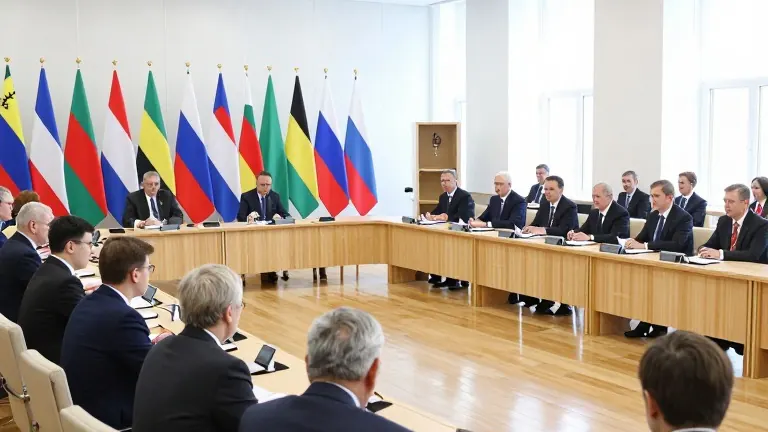
Israel Votes: Right-Wing Blocs Define the 2026 Ballot
Voters choose between Netanyahu and a rival Zionist bloc as the election unfolds against a backdrop of war and legal challenges.
By Abigail Brooks ·
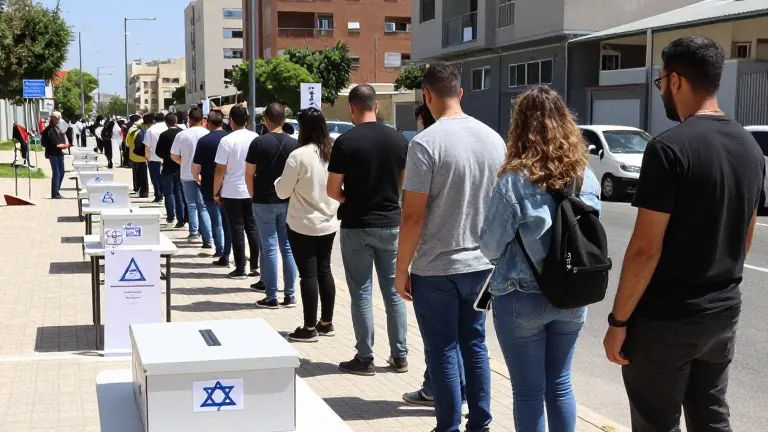
Israelis go to the polls on Tuesday in a closely contested election that marks the first general vote since the Hamas-led attack of October 7, 2023. The campaign has been defined by a sharp shift to the right, with both major contenders embracing a Zionist framework that leaves little room for center-left alternatives or significant policy changes regarding Palestinians.
Prime Minister Benjamin Netanyahu is seeking to extend his tenure as the longest-serving leader in Israeli history. He faces a self-styled Zionist opposition bloc that competes on similar ideological grounds. Both sides are vying for power in a political system where the center and left have eroded over decades of security crises and the collapse of the peace process.
Netanyahu is running while facing a corruption trial for bribery, fraud, and breach of trust, charges he denies. He is also wanted by the International Criminal Court on war crimes charges related to the war in Gaza. His rivals, including figures like Gadi Eisenkot, frame their challenge as a matter of competence and accountability for the alleged security failures that preceded the 2023 attack, rather than a fundamental dispute over the treatment of Palestinians.
The governing coalition has included far-right ultranationalists and ultra-Orthodox parties, leading to legislative moves such as the judicial overhaul and the exclusion of Arab-led parties from potential future governments. Analysts note that the shift to the right accelerated under this administration, which has faced accusations of reshaping the state's institutions to fit its political agenda.
Yehouda Shenhav-Shahrabani, an Israeli sociologist, argued that the political system operates within a framework of Jewish supremacy. He stated that none of the leaders presenting themselves as alternatives to Netanyahu can be genuinely described as left-wing. According to Shenhav-Shahrabani, the current reality is rooted in Zionist political thought rather than being solely the product of one leader or faction.
Ahron Bregman, a senior teaching fellow at King’s College London, suggested that a new prime minister might calm the intense domestic emotions stirred by Netanyahu. However, he cautioned that any new government would likely mirror the sharp rightward turn that occurred after October 7. The election does not offer a direct vote on the war in Gaza, where more than 74,000 people have been killed, or on the ongoing violence in the West Bank.
Daniel Levy, a former Israeli government adviser, noted that the treatment of Palestinians is a consensus among Zionist parties. He explained that differences among these parties rest primarily on whether the state or settler militias should play the leading role in oppression. The ballot lacks a clear path for Arab-led parties, which represent one-fifth of the population, to enter a governing coalition.
Source: Al Jazeera