Russia hosts summit as trade data reveals gap with $40 billion goal
Moscow gathers African leaders for the third Russia-Africa summit while new statistics show merchandise trade reached only $27.1 billion in 2025.
By Chioma Brooks ·
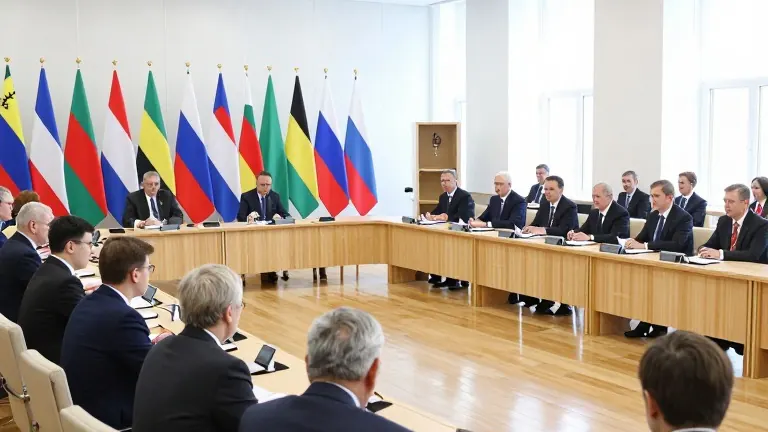
The third Russia-Africa summit opens in Moscow this week as the Kremlin seeks to deepen its economic and military ties with the continent. President Vladimir Putin will cochair the plenary session on Thursday with Burundian President Evariste Ndayishimiye, who currently chairs the African Union. Organizers have structured the two-day event around an economic and humanitarian forum that addresses investment, food security, and energy. A new cooperation plan for 2027 through 2029 is expected to finalize agreements on industrial production and payment systems.
Russian officials have set ambitious targets for the continent, but recent data indicates a shortfall in commercial exchange. In August, Foreign Ministry spokesperson Maria Zakharova outlined plans for new intergovernmental agreements and commercial contracts. The 2019 Sochi summit resulted in 92 agreements and a pledge to double annual trade to 40 billion dollars. The 2023 St Petersburg summit added 161 accords and a 2023 to 2026 action plan. However, Russian trade statistics show merchandise trade with Africa reached only 27.1 billion dollars in 2025.
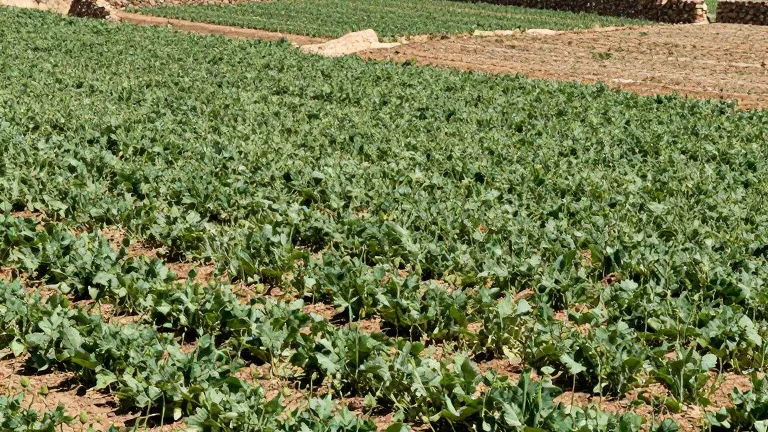
The trade imbalance persisted into the first eight months of 2026. Russia exported 14 billion dollars in goods to Africa during that period while importing only 3.2 billion dollars. Agricultural shipments account for a large portion of this deficit. In the first half of 2026, Russia shipped 10.2 million tonnes of wheat to the continent, with Egypt serving as the largest customer. These exports address food security needs but primarily benefit Russian producers rather than driving industrial growth in African nations.
Investment projects have shown mixed results since the 2019 summit. Fertilizer producer Uralchem and Angola’s Grupo Opaia agreed to build a 1.2 billion dollar ammonia and urea complex in 2019. The project was scheduled to begin production in 2023, but Uralchem abandoned the venture that year. In Egypt, Rosatom is constructing four nuclear reactors at El Dabaa, employing more than 18,000 local workers. The project relies on a 25 billion dollar Russian loan that Egypt must repay with interest.
Contract terms in other regions favor Russian interests. A proposed petroleum pipeline between Pointe-Noire and Brazzaville in the Republic of Congo would grant Russian partners 90 percent of the joint venture. Congo’s state oil company would hold 10 percent under a 25-year concession with guaranteed transport tariffs. Deputy Prime Minister Alexander Novak stated in April that design work would begin this year, with operations planned for 2029. Russian officials describe the pipeline as a way to protect exports from Western sanctions imposed after the invasion of Ukraine.
Russia’s military presence expanded significantly in recent years. Sweden’s Defence Research Agency identified at least 57 Russian military and security agreements involving 39 African countries as of October 8. Russia shifted many operations from the Wagner Group to the Ministry of Defence-controlled Africa Corps, though Wagner remains active in the Central African Republic. In Mali, Russian-backed forces regained control of Kidal on October 6 after an air campaign. However, Malian forces and Africa Corps personnel conducted 49 air strikes from April to August, killing 89 civilians according to the Armed Conflict Location and Event Data project.
Human Rights Watch reported that Africa Corps fighters killed nine people, including four children, in the village of Bombori on July 10. Detainees at a military base in Sevare experienced beatings and electric shocks from May to August. In Niger, Russia’s Africa Corps helped General Abdourahamane Tiani suppress a mutiny on August 29. The junta stripped five exiled critics of their nationality on September 17, while the country remains without an election timetable.
In the Central African Republic, Moscow reportedly demanded 14 million euros per month to deploy the Africa Corps in place of Wagner. President Faustin-Archange Touadera thanked Putin in March for helping secure his third term in the December election. An Angolan court convicted two Russians linked to the political influence network Africa Politology in July. Igor Ratchin received an 11-year sentence and Lev Lakshtanov eight years for terrorism and espionage charges related to the 2027 election.
Source: Al Jazeera