Michigan sets specific vote margins that trigger automatic election recounts
State law mandates a full count when statewide races end within 0.1% of each other, with stricter vote caps for legislative contests.
By Abigail Brooks ·
Voters in Michigan will choose new leaders for the governor’s office and the U.S. Senate this year. With the outcome of these high-stakes contests potentially hinging on small vote totals, state law provides a clear mechanism for recounting ballots. The rules define exactly when a recount is required and who has the authority to order one.
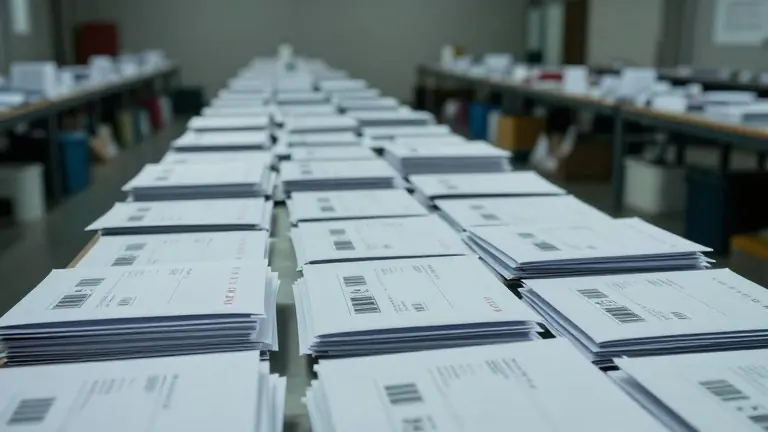
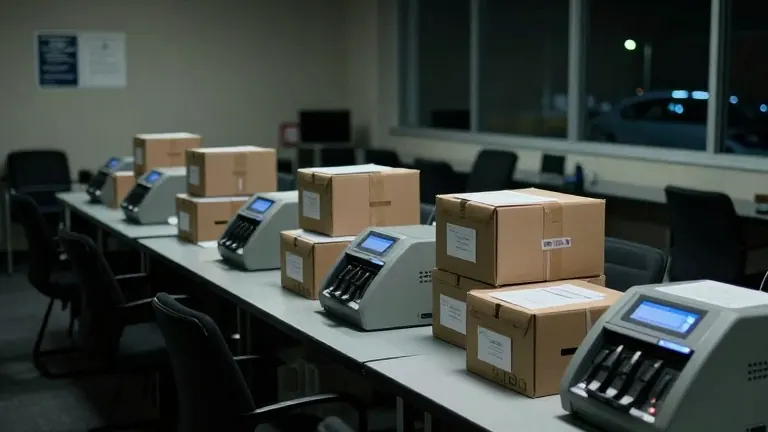
Michigan does not leave the decision to recount close races entirely to candidate discretion for statewide positions. State law automatically triggers a recount in any statewide election determined by a differential of 0.1% or less of the total votes cast. This threshold applies to races for governor, state senate, and other statewide offices. For state senate elections specifically, the automatic trigger is a margin of 75 votes or fewer. In the state House of Representatives, the margin must be 25 votes or fewer to force an automatic recount.
Candidates in other races must file a formal petition to request a recount. The petition must be received by the Michigan Secretary of State or the local election clerk by 5 p.m. on the second day after results are certified. The law requires candidates to demonstrate a good-faith belief that a counting error changed the outcome. The number of votes requested for recount must exceed the difference between the winning candidate and the petitioning candidate.
Petitioners must also submit a financial deposit. If the recount changes the election result, the state refunds the deposit. If the result stands, the deposit is retained to cover administrative costs. This financial requirement is designed to ensure that recount requests are filed with serious intent rather than as a strategic delay tactic.
A recount is an administrative process, not a judicial investigation. The Michigan Secretary of State’s Office clarifies that the recount focuses solely on determining the number of votes cast for each candidate. It is not a probe into potential fraud. If the board conducting the recount finds evidence of fraud or other legal violations, they refer the matter to the county prosecuting attorney or the state attorney general. The board cannot refer a matter to the attorney general unless at least one member of each political party on the board agrees to the referral.
Local and state boards share the responsibility for these counts. Each county maintains a bipartisan Board of Canvassers. These local boards certify results for county, city, township, village, and school district elections. They also handle recounts for probate judges in single-county districts and municipal court judges. The bipartisan Board of State Canvassers handles statewide elections, U.S. Senate and House races, state legislature elections, judicial elections, and statewide ballot questions.
The timeline for completing these counts is fixed by law. In non-presidential elections, the recount must be finished by the 30th day after the recount petition deadline. This schedule ensures that voters know the final outcome of their elections within a defined period. The process relies on the existing infrastructure of county clerks and state canvassers to verify ballot counts accurately.
The 2026 election cycle will see these rules in action as voters decide on several competitive races. The automatic thresholds and petition requirements create a structured path for verifying results. Whether a recount is automatic or requested depends on the specific margin of victory in each district. The financial and procedural hurdles aim to balance the right to accurate counts with the need for timely election certification.
Source: FOX 2 Detroit