Trump's $5,000 Dividend Promise Faces Steep Hurdles Ahead of Midterms
Speaker Mike Johnson confirms the payment requires congressional approval, while PolitiFact notes the largest payout is far from certain despite the president's confidence.
By Chioma Brooks ·

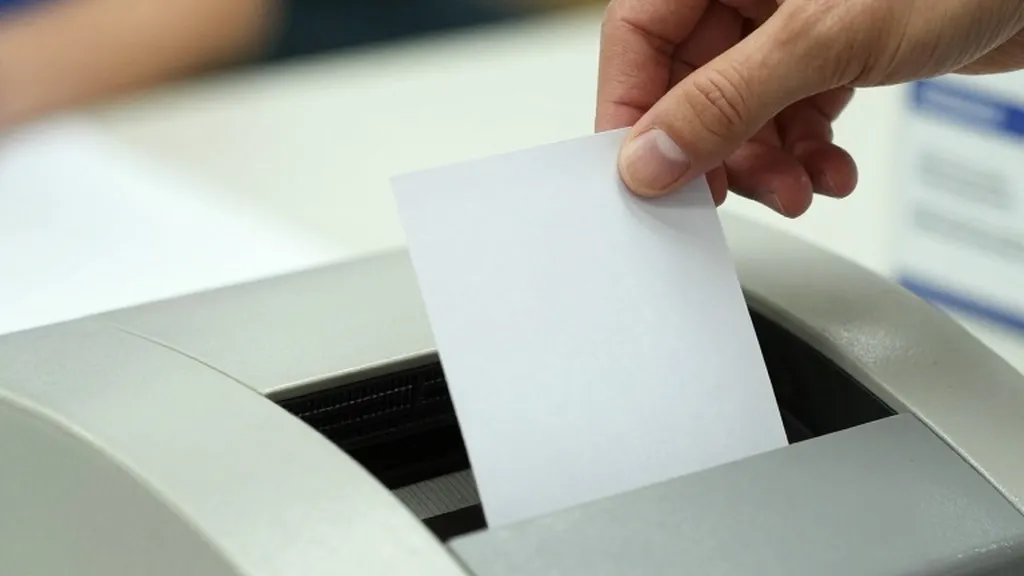
President Donald Trump’s proposal to send $5,000 to every American adult if his Republican Party maintains control of the House and Senate in the November election needs congressional approval, House Speaker Mike Johnson said Sunday. While pledging to try to make it happen, the Speaker acknowledged the significant legislative hurdle the proposal faces as polls remain open for the midterm election.
Trump made the unusual pitch at the party's midterm convention in Dallas last week, promising a 'Trump Dividend' if voters keep the GOP in power on Capitol Hill. The president later told CBS News Texas that he did not think Congress would need to authorize the payments, though he did not specify how he could spend more than $1 trillion without lawmakers' authorization.
But Johnson, a Republican from Louisiana, said congressional approval is needed. 'I would assume, yes, he'd need Congress to act, and that's a creative idea,' he said. A few hours later, Trump said he would deliver on his promise, telling reporters before boarding Air Force One in Ireland that the $5,000 payment was going to happen 100 percent.
Johnson said he would work to get Trump's proposal through Congress despite a small Republican margin. He described the president as the big ideas president and committed that Congress would work through the proposal to find consensus. This statement comes as Republicans brace for potential losses in the House, where Democrats need a net gain of three districts for a majority.
The dubious election-year gambit could cost more than $1 trillion, putting further strains on the country's nearly $1.8 trillion annual budget deficit and exacerbating concerns of inflation. The economy is confronted by persistent inflation and increasing interest rates, a tough combination for governing Republicans as they seek to hold on to control of Congress.
The president argues that payments would be possible because of the strong economy, but consumer sentiment is weak as gasoline prices rise because of the war with Iran and wages struggle to keep pace with inflation. Trump told reporters earlier Sunday that the payments would be easy enough because the United States has a strong economy, claiming the nation is taking in so much money that it has never done better.
Just one-third of U.S. adults approve of how Trump is handling the presidency, according to a July poll from The Associated Press-NORC Center for Public Affairs Research. That compares with 37 percent in June and 42 percent who approved of his work when he took office. Majorities also disapprove of his handling of the economy and immigration, issues that were central to Trump's election in 2024.
PolitiFact found that the biggest payment is far from certain, noting that the White House has announced no formal plan for such checks and fiscal experts cast doubt on the plan during a time of existing economic challenges. The report highlighted that the payout first would require Congress' approval, and that political analysts say such legislation is unlikely to attain the required 60-vote supermajority in the Senate.
Sen. Bernie Moreno, R-Ohio, said he would introduce legislation to fund the proposal. However, the payment could cost the federal treasury more than $1 trillion. The U.S. Census Bureau estimates there are about 245 million U.S. citizen adults, meaning giving each of them a $5,000 check would cost about $1.2 trillion.
Bipartisan criticism has emerged regarding the timing and feasibility of the promise. Texas Congressman Chip Roy wrote on X that dependency is evil and soul-sucking in all its forms. Election law expert Rick Hasen of UCLA noted that while the promise is likely legal under the First Amendment, the president does not have the power to do this on his own without Congress.
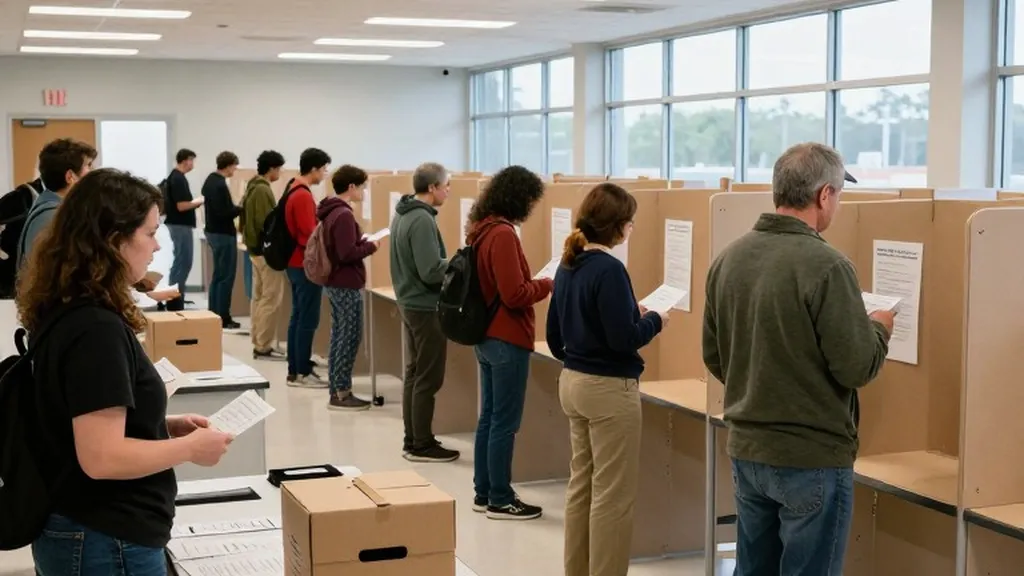
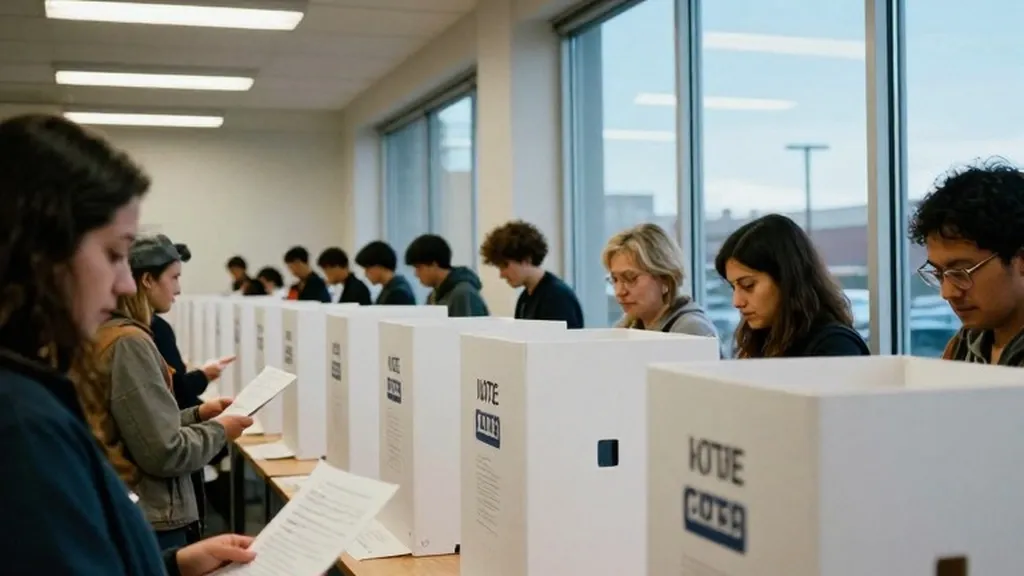
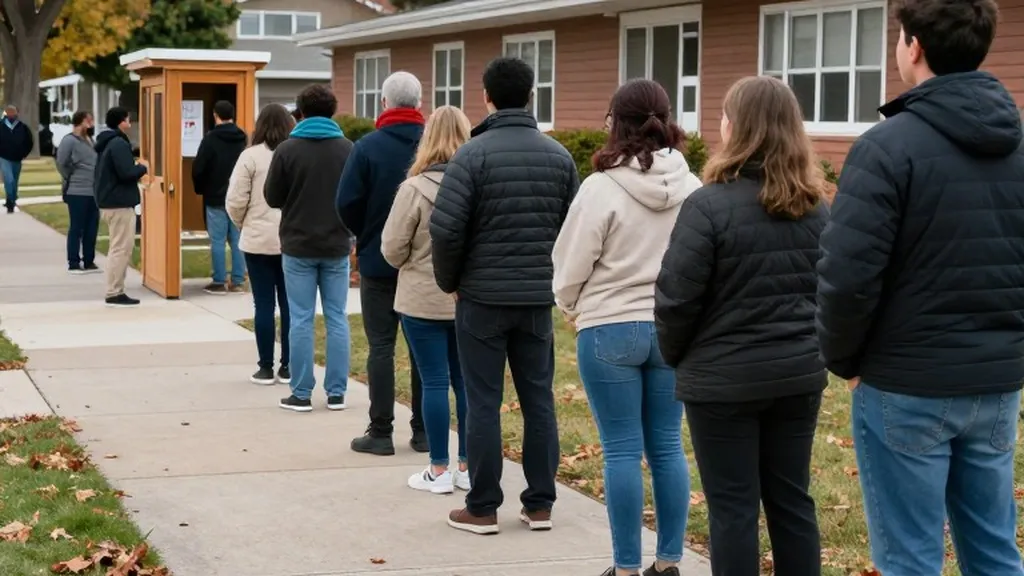
As voters head to the polls on Tuesday, November 3, the stakes for the House race are clear. Democrats need a net gain of three districts to take control, while Republicans can lose no more than two. The outcome will determine whether the administration can pursue the Trump Dividend or if investigations and oversight efforts will dominate the final two years of Trump's term.