Trump's $5,000 dividend promise fades as Democrats seize Congress
The president pledged a massive payment if Republicans kept power, but the party lost both chambers on Tuesday, and experts say the money was never certain.
By Chioma Brooks ·
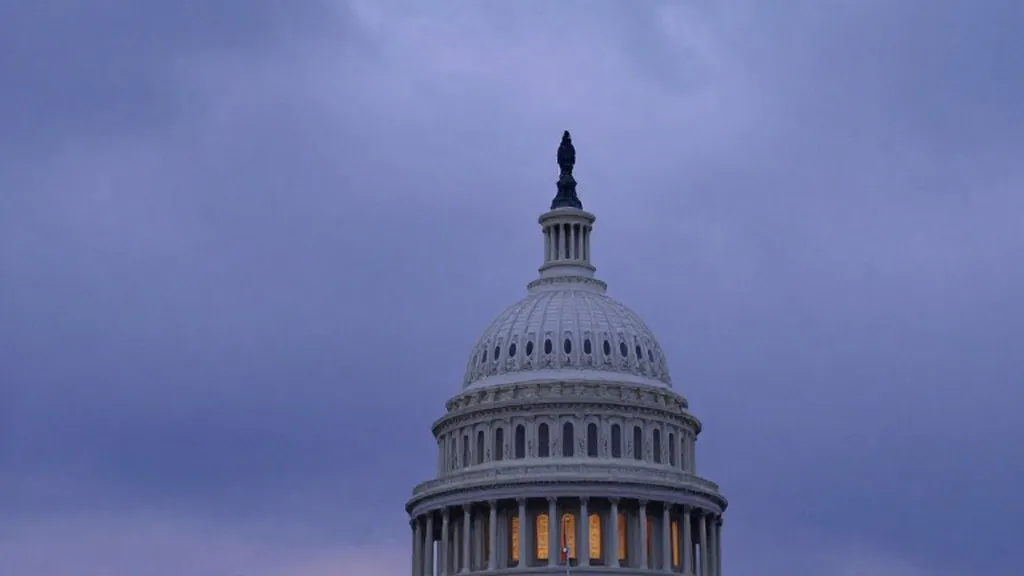
President Donald Trump’s promise to send $5,000 to every American adult if the Republican Party maintained control of Congress has effectively disappeared with the GOP’s midterm defeat. Democrats swept both the House and the Senate on Tuesday, reversing two years of unified Republican control and leaving the president with a divided government that will likely block the legislative action required for the payment to become law.
The pledge, which Trump branded the "Trump dividend," was made at the Republican Midterm Convention in Dallas last week. He told the crowd that if Republicans won the House and the Senate, voters would receive the checks as a reward for economic success. The announcement was designed to energize the base and offer a tangible incentive for turning out on Election Day, framing the midterms as a direct referendum on the administration’s economic record.
House Speaker Mike Johnson, who is stepping down as party leader following the loss, acknowledged the complexity of the plan. Speaking on Sunday before the election, Johnson stated that congressional approval would be needed to authorize the payments. He described the idea as creative but noted that the president would need Congress to act to make the dividend a reality, a process that now faces a new Democratic majority in both chambers.
The financial scale of the promise was immense. According to the U.S. Census Bureau, there are approximately 245 million adult U.S. citizens. Funding a $5,000 check for each of them would cost roughly $1.2 trillion. This sum would significantly exacerbate the country’s existing annual budget deficit, which stands near $1.8 trillion, and raise concerns about inflation among fiscal experts who warned against such large-scale spending.
Bipartisan criticism emerged even before the votes were counted. Republican Texas Congressman Chip Roy questioned the philosophy behind the checks, writing on social media that dependency is evil in all its forms. Democrats viewed the promise as an attempt to buy votes, a tactic that election law experts noted is generally legal under the First Amendment but politically risky if the promise cannot be fulfilled by the winner.
PolitiFact analyzed the proposal and found that the largest payment was far from certain. The fact-checkers noted that while the White House cited tariff revenues as a potential funding source, lawmakers did not include a separate tariff dividend in the major tax and spending bill that became law in 2025. The analysis concluded that the White House had no formal plan for distributing the checks, and the cost would likely require new legislation that was unlikely to pass with the slim Republican margins they held at the time.
The administration’s previous attempts at similar payouts also faced hurdles. In November 2025, Trump promised $2,000 tariff dividend checks, but those never materialized. In early 2026, military service members received a "warrior dividend" of $1,776, a smaller and more targeted payment that did not require the same level of broad congressional debate. The $5,000 check was a much larger leap in scale and political ambition.
With Democrats now holding the majority in the House, the path for the dividend has changed dramatically. The new leadership, including House Democratic Leader Hakeem Jeffries, has promised a 100-day agenda focused on lowering the cost of gas, groceries, and other goods. They have also vowed to reverse cuts to healthcare programs and launch a robust oversight agenda. The $5,000 check is not explicitly part of their initial platform, suggesting it may not be a priority for the incoming majority.
The loss of the Senate complicates the situation further. Republicans had hoped to use their remaining weeks of control to advance priorities, but the defeated lawmakers are preparing to go home. The new Democratic Senate, which holds at least 54 seats, will have the power to block or amend any legislation the president sends. This shift in power means that Trump’s ability to unilaterally deliver on campaign promises is now significantly constrained.
The AP Voter Poll indicated that most voters were exhausted by Trump’s presence in politics and blamed his party for rising inflation and the war in Iran. These factors contributed to the decisive Democratic victory. The poll found that about 7 in 10 voters said Congress was not doing enough to provide checks and balances for the president, a sentiment that fueled the wave of Democratic candidates across the country.
As the new Congress prepares to convene on January 3, 2027, the $5,000 dividend remains a symbol of the campaign’s final push. It highlighted the administration’s strategy of using economic incentives to drive turnout. However, with the party that made the promise now in the minority, the check is likely to remain a political talking point rather than a direct deposit for millions of American families.