Democrats Seize Full Control of Congress and State Governments in Historic Midterm Sweep
Voters rejected the President's party with a 30-seat House gain and a Senate flip, securing a mandate to tackle the cost of living and the Iran war.
By Priya Marino ·
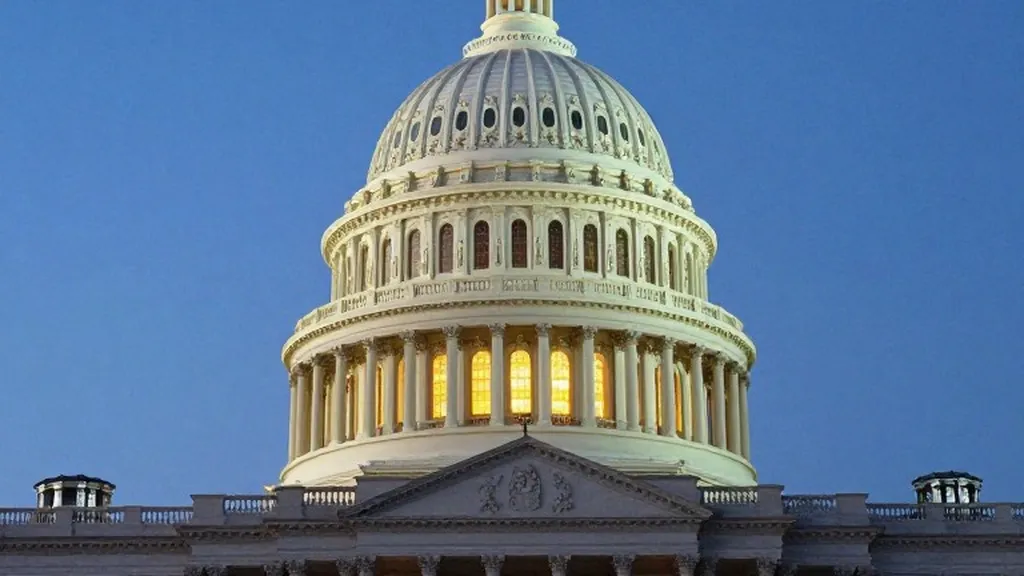
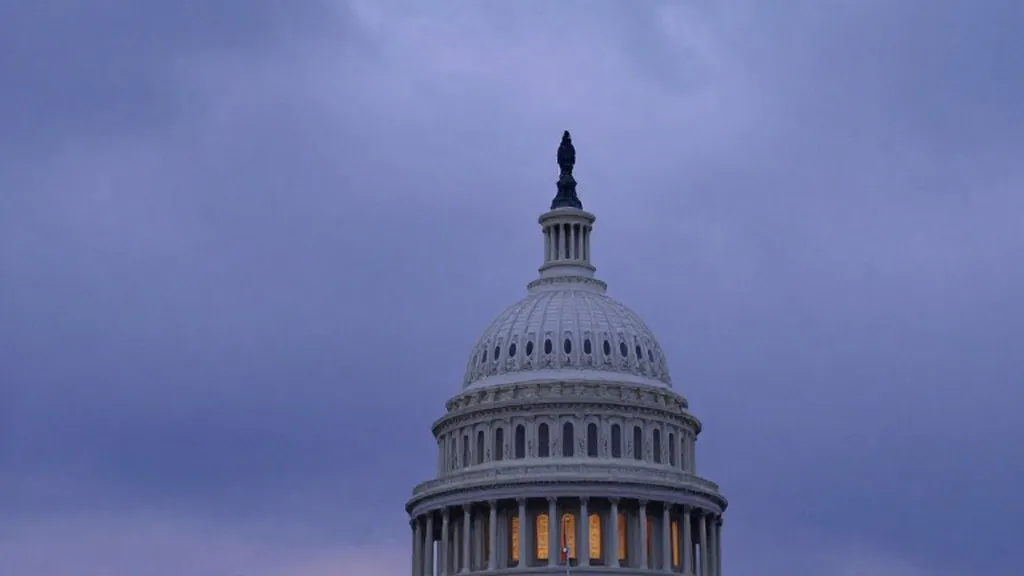
Democratic candidates secured a decisive victory in Tuesday's midterm elections, gaining control of both chambers of the U.S. Congress and sweeping state legislative races across the country. The Associated Press reported that Democrats won 233 House seats and 20 Senate seats, ending two years of unified Republican control in Washington. This shift marks a fundamental reshaping of power, with the party now poised to reassert itself as a coequal branch ready to challenge President Donald Trump and reverse course on key national policies.
House Democratic Leader Hakeem Jeffries of New York addressed the results, stating that the party hears the call for dramatic change and will work hard to deliver on it. Jeffries is expected to make history as the first Black speaker of the House when the new Congress convenes on January 3, 2027. The margins of victory were wide, reflecting a deep sense of voter anger regarding the economy and the state of democracy. This outcome sets up a divided government where Congress will likely focus on oversight and legislative battles with the White House.
Voter dissatisfaction with the war in Iran and soaring fuel prices emerged as primary drivers of the Democratic surge. The AP Voter Poll indicated that concerns about the war and rising prices for fuel and other goods helped Democrats win control of both chambers. President Trump acknowledged the role of the Iran war in the Republican losses, though Vice President JD Vance publicly broke from the President's defense of the conflict on Wednesday. This internal party tension highlights the pressure on the administration to address the economic fallout from its foreign policy decisions.
Democrats also achieved historic gains in state governments, taking full control of both legislative chambers and governorships in at least five states where they previously shared power. In Texas, Democrats took control of the state House for the first time since 2002 and elected Gina Hinojosa as the state's first Democratic governor since 1994. The Associated Press noted that this is the biggest single-election change of partisan power in state governments since 2010, reversing a long slide in which Democrats lost nearly 1,000 state legislative seats during the Obama administration.
The campaign focused heavily on kitchen-table issues, including the cost of groceries, housing, healthcare, and utility bills. Heather Williams, president of the Democratic Legislative Campaign Committee, stated that the party won historic levels of power in statehouses, a feat not seen since the 1980s. She emphasized that the mandate is about economic opportunities and middle-class concerns. New legislative sessions are expected to prioritize lightening the tax burden on the middle class, relaxing housing regulations, and expanding access to healthcare, particularly in rural areas.
Republican efforts to redraw congressional district boundaries over the past year failed to secure a midterm advantage. At the urging of President Trump, Republicans in eight states reshaped dozens of districts, hoping to hold a slim House majority. Former Attorney General Eric Holder, chair of the National Democratic Redistricting Committee, stated that the plan was systematically dismantled by voters who chose to elect a new Democratic majority. The AP noted that in all but one of the revamped districts, Trump would have carried over a majority of the vote had the maps been in place for the 2024 election, but shifting public opinion undercut these presumed safe seats.
Democratic Rep. Jared Moskowitz of Florida highlighted the impact of redistricting on voter sentiment, noting that opponents spent millions of dollars trying to defeat him in a redrawn district. He won reelection, citing voter anger over the map changes and a strong desire for economic stability. Similar results were seen in Alabama and other battleground states, where Democrats retained seats despite aggressive Republican redistricting efforts. The data suggests that the Republican money edge and map changes were insufficient to counter the broad voter rejection of the President's priorities.
President Trump gave extended comments on Wednesday justifying the construction of a new White House ballroom rather than addressing the election results directly. He invited reporters to a construction site and spoke for nearly 20 minutes, signing the last beam of the project. The AP reported that about two-thirds of voters said Trump does not have the right priorities, a finding that correlated with support for Democratic House candidates. This focus on the building project contrasted with the national mood, which was driven by frustration over the cost of living and government corruption.
Democrats are already outlining a 100-day agenda that includes efforts to lower the costs of gas, groceries, and other goods. They plan to reverse cuts to the Affordable Care Act and Medicaid, and they have signaled a robust oversight agenda to hold the administration accountable. House Oversight Committee member Robert Garcia of California issued a brief warning to the White House, telling them to lawyer up. Sen. Ron Wyden of Oregon, the top Democrat on the Senate Finance Committee, indicated that subpoenas are ready to be used, signaling a more aggressive posture for the new Congress.
The election results also impacted the balance of power in state legislatures, with Democrats breaking or preventing Republican supermajorities in nine legislative chambers across eight states. This shift means that in states like Iowa, Ohio, and North Carolina, Republicans will need Democratic help to override a Democratic governor's veto. The Associated Press noted that the wins come after a period where Democrats had struggled to regain ground lost in previous cycles. The new landscape offers opportunities for policy changes on data center development, artificial intelligence, and education funding, areas where state governments have significant influence.