57 Million Early Votes: How Turnout Will Decide Congress
Democrats and Republicans are betting their midterm strategies on who shows up on Election Day, as both parties track the record-breaking early vote with intense scrutiny.
By Priya Marino ·
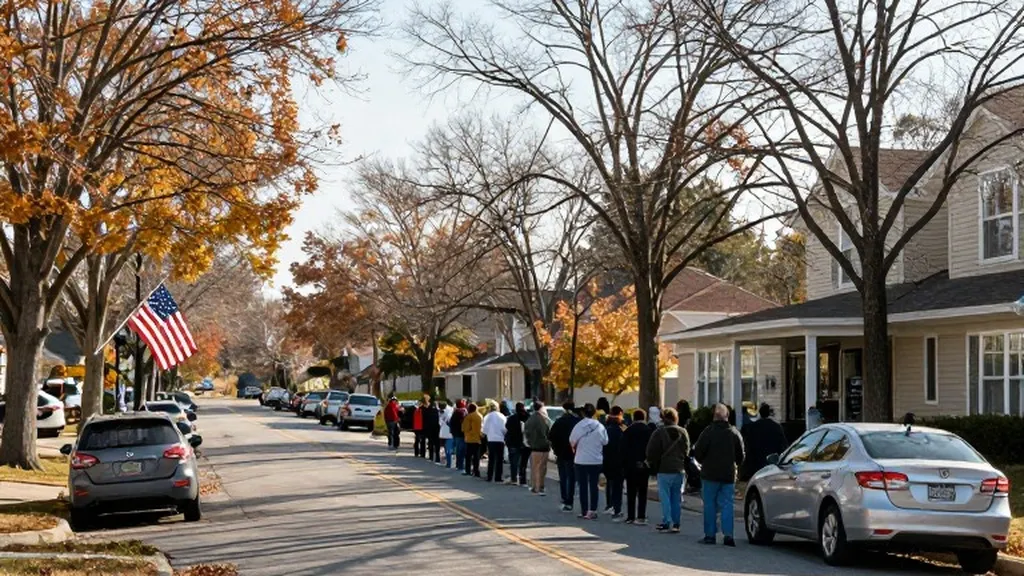
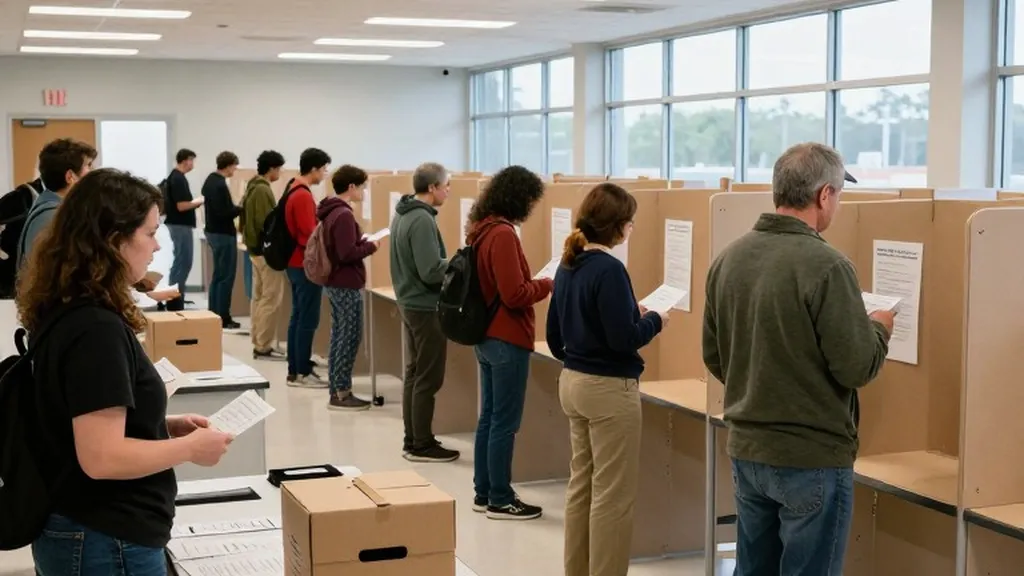
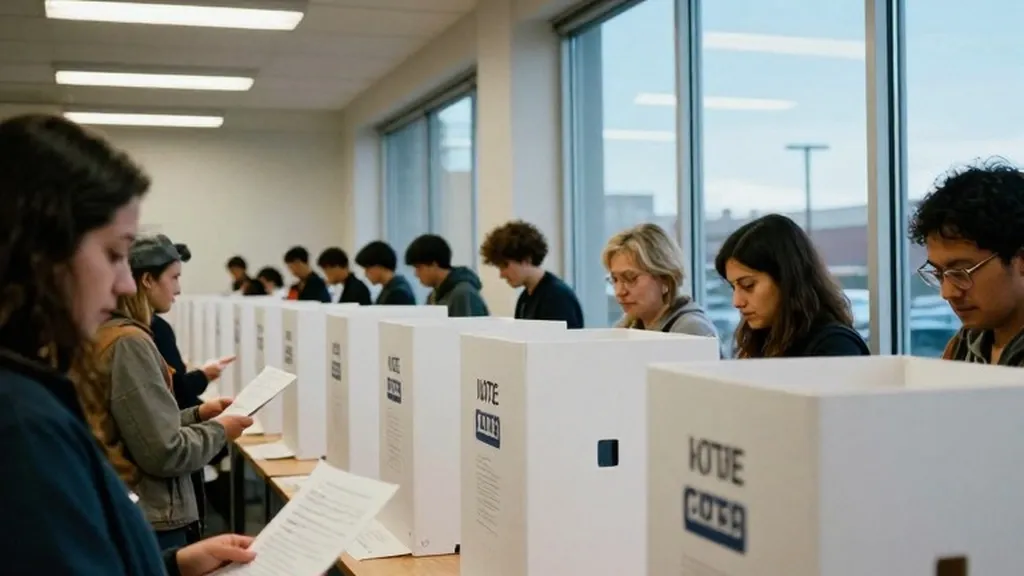
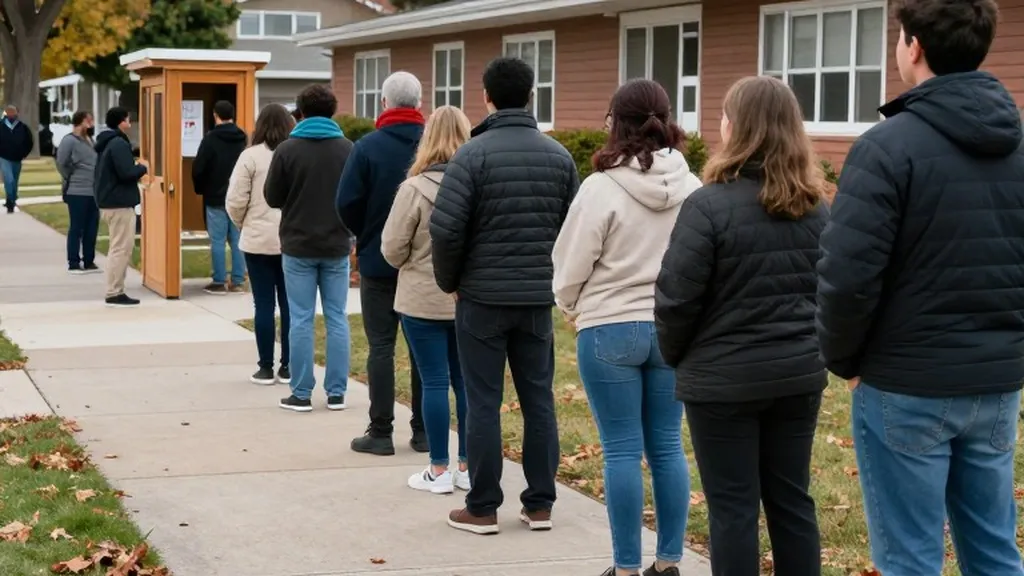
More than 57 million Americans had already cast their ballots by Monday, a figure that surpassed the early vote totals from four years ago in many closely watched states. This massive participation sets the stage for Tuesday's election, where the outcome will determine which party controls Congress for the final two years of President Donald Trump's second term. With polls open, the race has become a precise calculation of which party can mobilize its base effectively enough to overcome the structural advantages of the other.
Republican National Committee Chairman Joe Grutters stated that everything depends on turnout. He explained that if the party turns out its voters, it wins, and that this is what the organization has been planning for. This focus on raw numbers reflects the reality that Republicans are bracing for a potential loss of the House while fighting to retain control of the Senate. The Associated Press notes that one or two seats could tip the balance in either chamber, making the ground game critical in every district and state.
Democratic Congressional Campaign Committee Chair Representative Suzan DelBene offered a different perspective on the current mood. She said the American people are angry and want change. This sentiment aligns with the Associated Press description of the election as a referendum on Trump's second term. Voters are described as struggling with high prices and being angry over an unpopular war with Iran. These economic and foreign policy concerns are driving the high early vote totals as Democrats aim to capitalize on voter frustration.
The financial disparity between the two parties is a significant factor in how they are approaching turnout. The 2026 elections are likely to be the most expensive in history. Republican committees have outraised and outspent their Democratic counterparts, aided by Trump-affiliated groups and Elon Musk. However, at the candidate level, Democrats have managed to outraise their opponents. This split in funding dynamics means that while Republicans have a broader war chest for national messaging, Democrats are focusing on efficient local spending to drive specific voter behavior.
An analysis of advertising data by the Associated Press reveals how Republicans are targeting their resources. Eighty-eight.1 percent of Republican general election television ad spending went to states and districts that Trump won in 2024. This includes more than 850 million dollars spent in areas where he won by ten points or more. This strategy suggests that Republicans are heavily investing in defending their base, assuming that high turnout in these solidly red areas will secure their Senate majority. They are betting that their money edge will translate into the votes needed to hold their seats.
Democrats are focusing on the 21 districts they hold that voted for Trump in 2024 and the nine Republican-held districts that voted for Kamala Harris. These areas are where the turnout battle is most critical for flipping the balance of power. The Democratic strategy relies on energizing voters who feel the pain of the cost of living and health care costs. In Raleigh, North Carolina, voter James Moore, a 57-year-old librarian, expressed this sentiment by noting that he is paying more taxes and more for healthcare. His experience is typical of the demographic that Democrats are trying to mobilize.
The ground game is being executed through a combination of door-to-door efforts and digital outreach. Both parties are tracking their turnout models in real time to adjust their strategies. In Palm Beach Gardens, Florida, voter Mark Barker said he has been following Trump the whole time and thinks he is doing an awesome job. This illustrates the polarization that both parties are trying to exploit. Republicans are confident that their base is motivated, while Democrats are working to ensure that their supporters do not stay home due to apathy or confusion.
New congressional maps in six states, including California, Florida, Missouri, North Carolina, Tennessee, and Texas, are adding another layer of complexity to the turnout calculations. Ohio is also using a new map. These redistricting efforts were designed to help Republicans beat the typical midterm pattern where a president's party loses seats. However, the Associated Press notes that new districts in Florida and elsewhere may not vote as drawn. This uncertainty means that turnout in specific precincts will be the deciding factor in these redrawn areas.
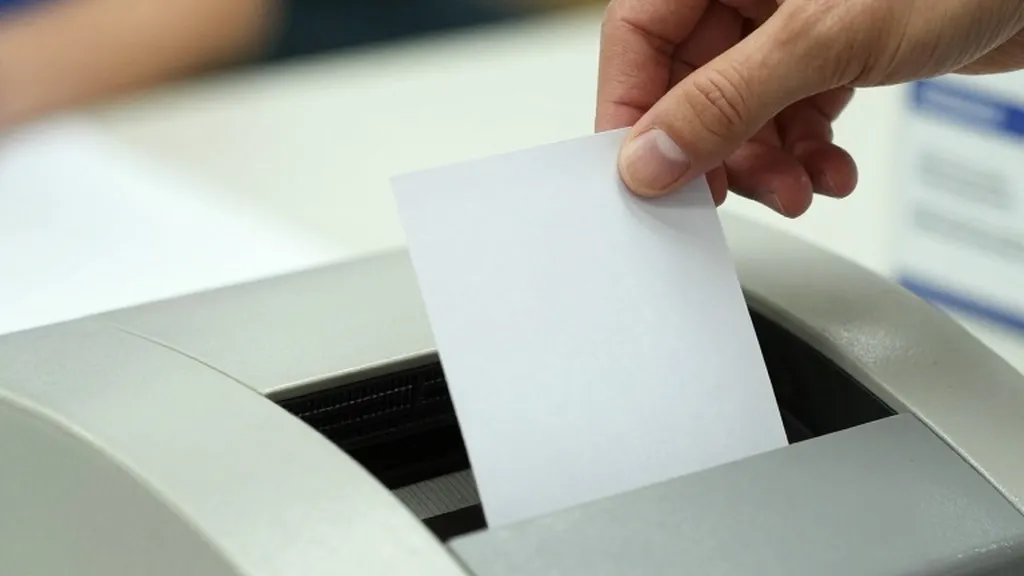
The role of money in the election is evident in the massive spending on television ads, but it is the physical act of voting that will count. The U.S. Postal Service added hours, staff, and special lines to ensure that mail ballots are counted on time. This logistical effort is crucial because many states rely heavily on mail voting. Any delays or errors in this process could impact the final tally, making the efficiency of the mail system a key part of the turnout equation for both parties.
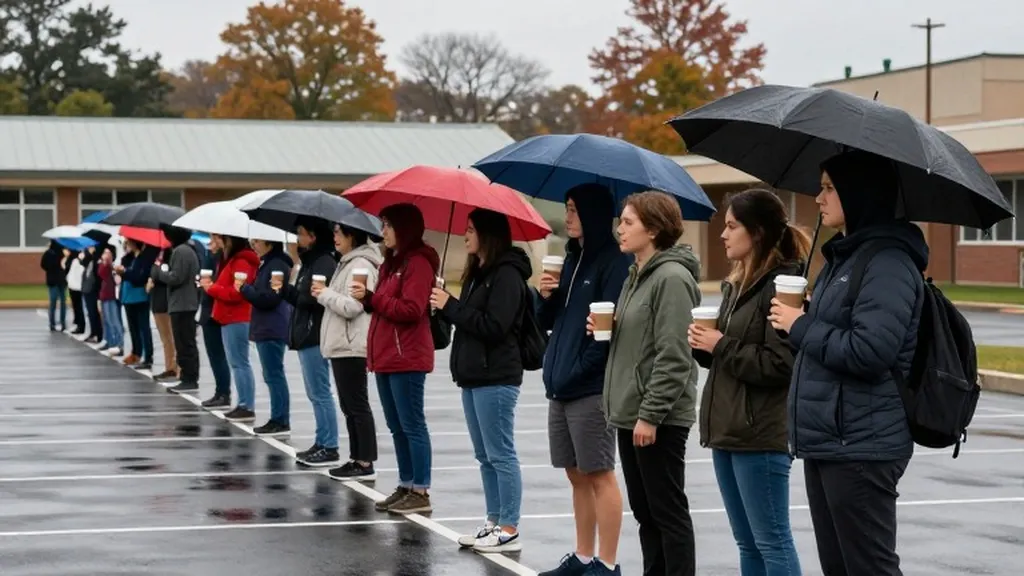
Voters are heading to the polls today with a clear understanding of the stakes. If Democrats win even one chamber, investigations and possible impeachment proceedings become likely. House Democratic Leader Hakeem Jeffries has outlined a 100-day agenda focused on the cost of living and oversight. A strong Democratic night would also boost potential 2028 candidates like Gavin Newsom, JB Pritzker, and Pete Buttigieg. Conversely, a Republican hold would solidify the administration's agenda for the next two years. The final numbers will emerge as polls close across the country, with every vote counting in this historic midterm contest.