After the 2026 Midterm Wave: A Practical Guide for the New Era
With Democrats holding both chambers of Congress and 22 governorships, here is how the new legislative landscape changes your daily life.
By Chioma Brooks ·
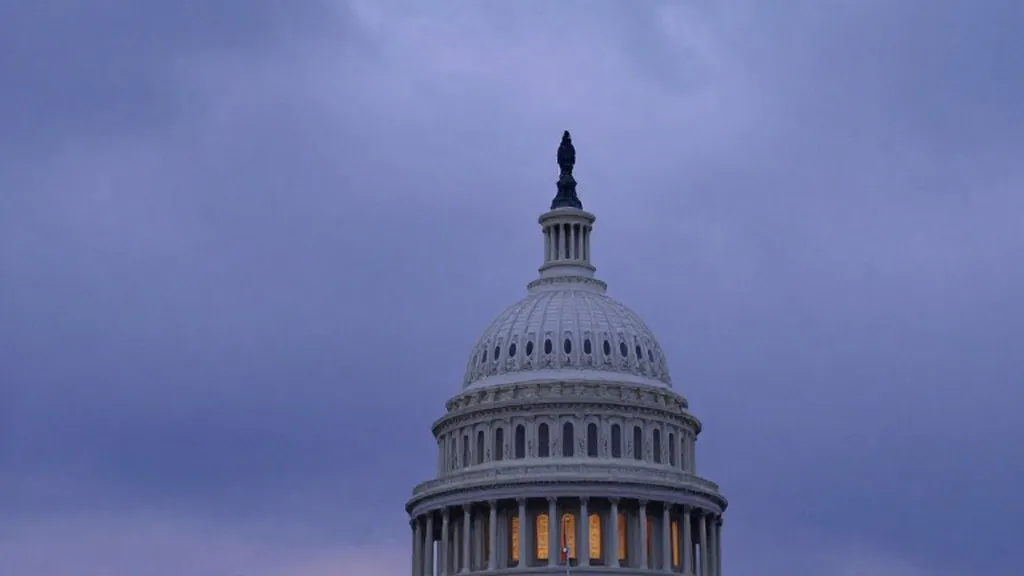
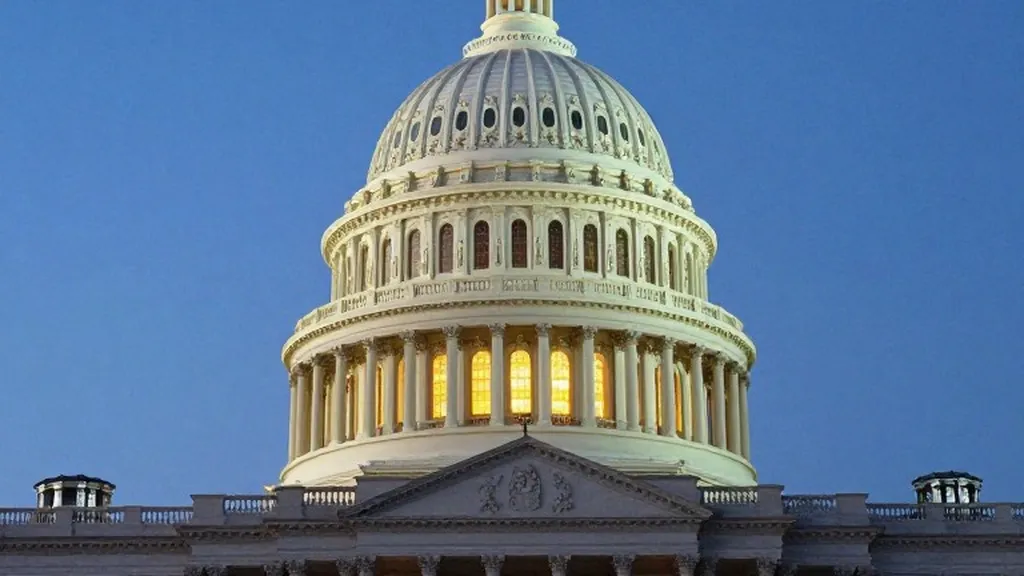
Tuesday, November 3, 2026, marked a decisive shift in American politics as voters delivered a sweeping mandate for change. The results, compiled by Ballotpedia, show that Democrats secured control of both the U.S. House of Representatives and the U.S. Senate, ending two years of unified Republican control in Washington. This outcome was not a narrow margin but a decisive wave, with Democrats winning 233 of the 435 House seats and 20 of the 35 Senate seats contested. For readers who have spent the last two years navigating a divided or opposed government, the practical implications of this new balance of power are immediate and significant.
The election was driven by deep dissatisfaction with the cost of living and the administration's handling of the war in Iran. According to the Associated Press, about three-quarters of voters described the country's trajectory as angry or dissatisfied. Inflation remained a primary concern, with roughly eight in ten voters reporting that high prices caused moderate or severe financial hardship for their households. This economic pressure translated directly into ballot box results, as voters prioritized kitchen-table issues like gas, groceries, and healthcare over other national concerns. The new Democratic majority in Congress has pledged to address these costs through a 100-day agenda that includes bills to reverse cuts to the Affordable Care Act and Medicaid.
Beyond the federal level, the statehouse landscape has also been transformed. Ballotpedia data indicates that Democrats won 22 of the 36 gubernatorial races on the ballot, gaining control in Georgia, Iowa, Ohio, and Texas. This gives Democrats a majority of governorships nationwide for the first time in over a decade. The Associated Press noted that this is the biggest single-election change of partisan power in state governments since 2010. In Texas, Democrats took control of the state House for the first time since 2002, and Gina Hinojosa became the state's first Democratic governor since Ann Richards. These state-level wins allow the party to shape policies on tax rates, education funding, and housing regulations directly.
The redistricting battle that defined the pre-election period has effectively ended, with the new maps now in place for the next cycle. President Trump had urged eight states to redraw congressional districts to favor Republicans, but the Associated Press reported that this plan fell flat. Republicans lost most of the targeted seats in states like Florida, Alabama, and Texas. In Texas, for instance, Democrats unseated Republican Rep. Monica De La Cruz, while incumbents Henry Cuellar and Vicente Gonzalez held their seats. The AP Voter Poll indicated that Latino voters shifted away from Republicans compared to 2024, a trend that contributed to the Democratic surge in the South. The new maps will be used for the 2028 presidential election, setting the stage for future contests in a more competitive environment.
Practical details for the coming legislative session are already taking shape. House Democratic Leader Hakeem Jeffries, who is expected to become the first Black speaker of the House, has emphasized a mandate to deliver on economic opportunities. The incoming Congress is poised to launch a robust oversight agenda, with Rep. Robert Garcia of California warning the administration to lawyer up and Sen. Ron Wyden of Oregon vowing to use subpoenas. This shift means that the checks and balances that were limited during the previous two years will be fully operational, allowing Congress to more effectively scrutinize the executive branch's actions on trade, tariffs, and foreign policy.
For voters, the new government structure implies a more active role in shaping policy. State governments are now more aligned with federal Democratic priorities, which could lead to coordinated efforts on issues like data center development and artificial intelligence regulation. In Pennsylvania, Governor Josh Shapiro has already outlined plans to raise the minimum wage to $15 an hour and invest in infrastructure. Similarly, in Minnesota, Governor Amy Klobuchar has pledged to move the state forward without a rigid ideological shift. These state-level initiatives will likely be supported by the new federal majority, creating a unified approach to economic relief.
The election results also have international implications. Reuters reported that Europe's far-right politicians began to distance themselves from President Trump following the Democratic victory. Meanwhile, China's cleantech stocks surged as investors bet that a Democratic-controlled Congress would step up support for clean energy. For American voters, this suggests that the new administration and Congress will likely prioritize energy transition and trade policies that reflect domestic environmental and economic goals. The market reaction indicates a shift in expectations for government stability and policy direction, which could influence everything from energy bills to the price of imported goods.
Looking ahead, the new Congress faces the challenge of implementing its agenda while managing a divided government with a Republican White House. President Trump has warned of gridlock and threatened to use his veto power to strike down Democratic legislation. However, the new Democratic majority in the Senate provides a stronger position to pass bills that can survive a presidential veto if they achieve the necessary supermajority in certain cases. The oversight of the administration, particularly regarding the war in Iran and economic management, will be a central focus. Vice President JD Vance has already distanced himself from the Iran war, questioning its cost and blaming it for Republican losses, which signals a potential shift in how the executive branch approaches these issues.
The practical takeaway for readers is that the political environment is now more favorable for the policies that many Democratic voters have championed. The cost of living, healthcare access, and economic relief are no longer just campaign promises but legislative priorities with a clear path to enactment. The new maps, the new statehouses, and the new Congress create a landscape where the will of the 2026 voters is more likely to be reflected in policy. As the new Congress convenes on January 3, 2027, the focus will be on delivering the tangible changes that voters demanded on November 3.