Israel Election: 77% Turnout Leaves Netanyahu and Eisenkot in Deadlock
Record participation fails to produce a clear winner as coalition talks face a six-week deadline.
By Abigail Brooks ·

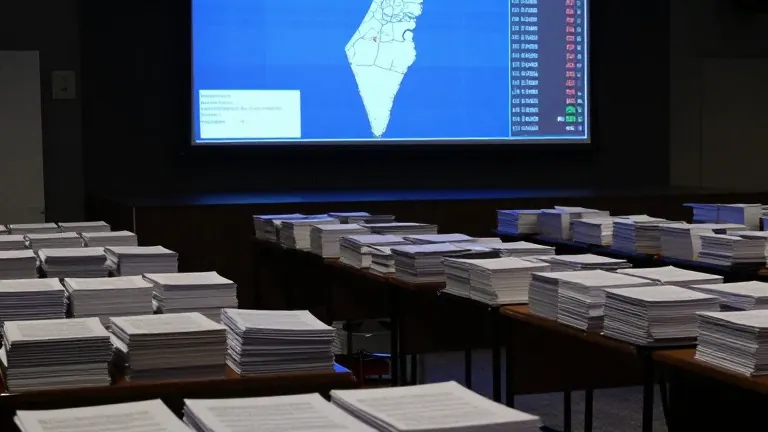
More than 77% of eligible voters cast ballots in Israel's parliamentary election, the highest turnout recorded in over twenty years. Election officials reported that tens of thousands of expatriates returned from abroad to participate in the vote, the first since the October 7, 2023, Hamas-led attack and the subsequent war in Gaza. The high participation rate underscores a deeply divided electorate with no single faction commanding a mandate.
As of Wednesday morning, a majority of votes had been counted, yet no clear winner emerged. Prime Minister Benjamin Netanyahu leads his main rival, Gadi Eisenkot, in the official tally for his right-wing bloc. However, the opposing alliance, which includes two Arab-led factions, holds more total votes than Netanyahu's camp. This numerical advantage for the opposition suggests a strong desire for change, though it does not guarantee a path to power.
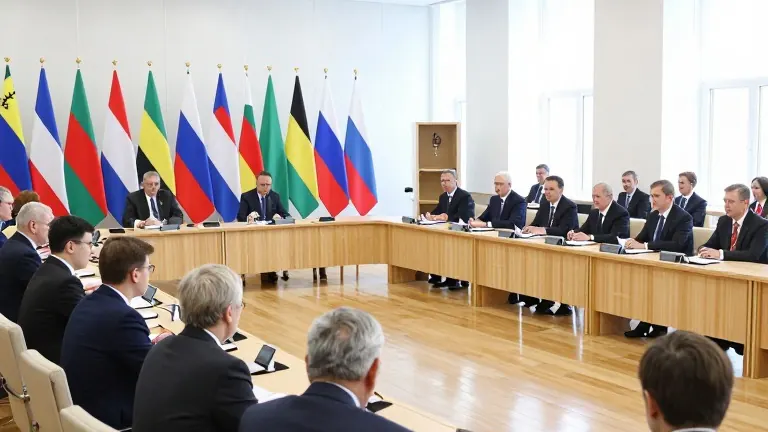
The race involves complex coalition mathematics. The winning bloc must secure 61 seats in the 120-seat Knesset to form a government. Two Arab-led parties, the United Arab List and the Joint List, are positioned as potential kingmakers. Arab voters constitute approximately 20% of the population, yet both Netanyahu and Eisenkot have historically resisted partnering with them. Eisenkot's coalition includes center and moderate right figures, while Netanyahu relies on his Likud party and right-wing allies.
Both leaders claimed victory prematurely on election night. Eisenkot, a former military chief of staff, told supporters, "We made history! The public has voted for change." Netanyahu countered that his bloc had a decisive majority among the Zionist public. The divergence in their messaging highlights the tightness of the race and the difficulty of forming a stable government.
The election takes place against the backdrop of a war that has killed more than 74,000 Palestinians, according to Gaza's Health Ministry. Israel also faces an international arrest warrant for Netanyahu over alleged war crimes. Despite these challenges, a July 2025 poll found that 67% of Israelis are not very troubled by the suffering in Gaza. Netanyahu's supporters point to military actions in Lebanon and Iran as evidence of restored security, while critics question his ability to prevent future attacks after 1,200 people were killed on October 7.
Election officials expect to finish counting votes, including those from soldiers, by Thursday afternoon. The leading candidate will have six weeks to form a governing coalition. If neither side succeeds, Netanyahu will remain as caretaker prime minister, and Israel will face a repeat election next year. Yair Golan, leader of the Democrats party, urged his bloc to partner with Arab parties, stating, "We have no future here if we don't stop being afraid."
Source: WVIZ