Israel Election Leaves No Clear Winner
High turnout and a tight race between Netanyahu and Eisenkot set up weeks of coalition negotiations.
By Chioma Brooks ·
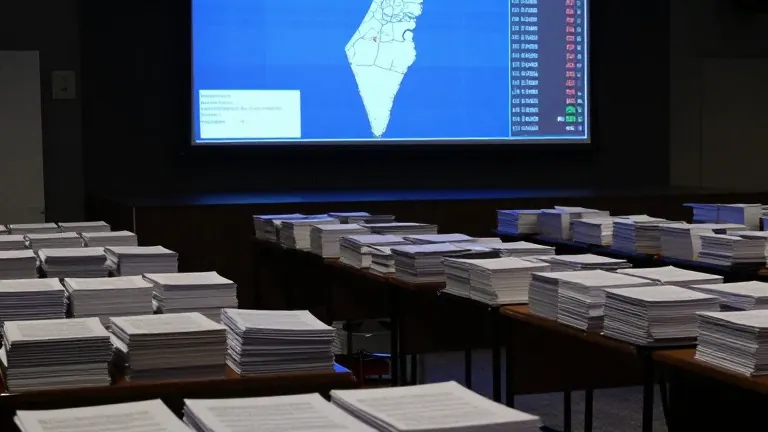
More than 77 percent of Israeli voters cast ballots on Tuesday, the highest participation rate in the country in over two decades. Election officials confirmed this figure as they processed millions of votes overnight.
As of Wednesday morning, a majority of the ballots had been counted, but no single side held a decisive advantage. Prime Minister Benjamin Netanyahu led his main rival, Gadi Eisenkot, in the official tally. However, the total vote count for the opposition groups, including two Arab-led factions, exceeded the total for Netanyahu's right-wing bloc.
Both leaders addressed their supporters early in the morning, each claiming victory based on preliminary numbers. Eisenkot, a center-right former military chief of staff, told the crowd, "We made history! The public has voted for change." He has campaigned on a platform of increased diplomacy and less extremism.
Netanyahu offered a different reading of the early data. He told his supporters, "The right-wing bloc has a clear, decisive majority among the Zionist public." This assessment suggests a potential path to power despite the close overall race.
The tight results create a path toward weeks of political gridlock. To form a government, a coalition must secure 61 seats in the 120-seat Knesset. The final outcome will depend on complex negotiations among various alliances rather than a simple majority win.
Arab voters represent about 20 percent of the population. Two Arab-led parties, the socially conservative United Arab List and the left-wing Joint List, hold key bargaining power. Both Netanyahu and Eisenkot have historically resisted partnering with these groups, complicating the math for either side.
Tens of thousands of expatriates traveled back to Israel to vote in the first election since the October 7, 2023, Hamas-led attack. The conflict has defined the political landscape for nearly three years. Nearly 1,200 people were killed on October 7, and 251 were taken hostage. Since then, Gaza's Health Ministry reports more than 74,000 Palestinians have died in the Israeli military campaign.
The election also highlights deep divisions over the war's conduct and Israel's international standing. A July 2025 poll found that 67 percent of Israelis were not very troubled by the suffering in Gaza, a view that contrasts with plummeting public support for Israel in the United States. Netanyahu faces an international arrest warrant for alleged war crimes, a fact weighing on voters concerned about diplomatic isolation.
At his election night party in Jerusalem, Netanyahu's Likud party played videos of military operations and endorsements from President Donald Trump. Trump urged voters to reelect Netanyahu to "finish the job that we started." The campaign events featured defiant messaging from young supporters, such as 24-year-old Ori Hazan, who said, "We will keep fighting them, and this is now the ideology, this is the policy. You fight us, we will kill you, OK? That's it."
Election officials expect to finish counting all votes, including hundreds of thousands of military ballots, by Thursday afternoon. The leading candidate will then have six weeks to form a governing coalition. If neither side can assemble the necessary 61 seats, Netanyahu will remain as caretaker prime minister, and Israel will face a repeat election next year.
Source: WCBE