Israeli Election Results Leave Netanyahu One Step Short of Power
The prime minister’s bloc fell eight seats below the majority threshold, while Arab parties nearly doubled their Knesset representation in a historic turnout.
By Chioma Brooks ·

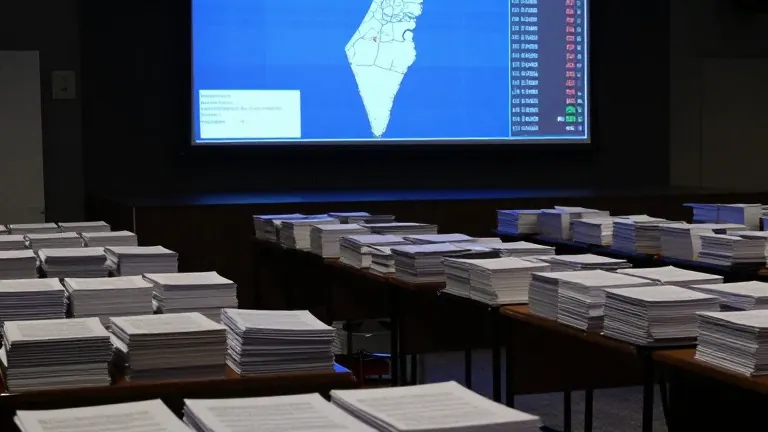
Prime Minister Benjamin Netanyahu’s coalition is projected to win 53 of the 120 seats in the Knesset, leaving the government eight seats short of the majority needed to rule. The shortfall emerged from election results announced on Tuesday night, ending a period of intense campaigning that relied on fears of economic isolation and military escalation.
Netanyahu’s bloc, which previously held 68 seats, lost ground despite Likud maintaining its status as the largest single party. His main challenger, Gadi Eisenkot, led the opposition bloc but fell short of the surge predicted by most polls. Eisenkot’s new party, Yashar, is projected to secure 21 seats, a solid result for a newcomer but not enough to form a government alone without specific partners.
The election saw a dramatic shift in participation among Palestinian citizens of Israel, with turnout estimated as high as 80 percent. Predominantly Arab parties are projected to hold 19 seats in the new parliament, nearly double their previous representation. The Joint List is expected to win 12 seats, while Ra’am, led by Mansour Abbas, is projected to take seven. This surge occurred despite ongoing tensions, including the destruction of Gaza and the West Bank settlement policies that critics argue alienated many voters.
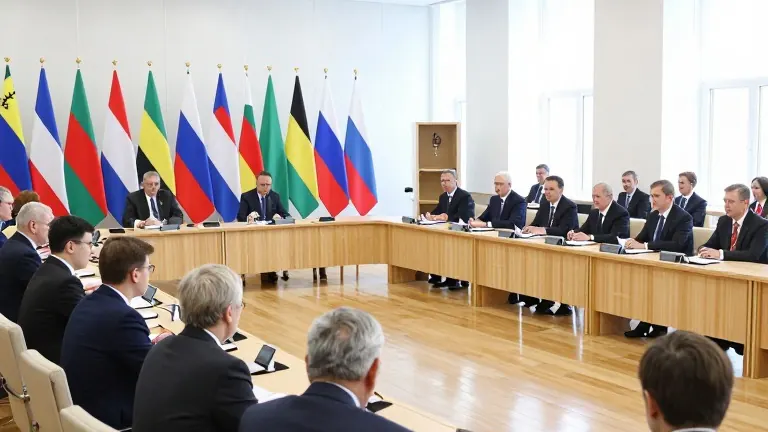
President Isaac Herzog will now ask party leaders which candidate they recommend for prime minister. The selected candidate has roughly one month to assemble a governing majority. Eisenkot could claim the role if he secures the support of Arab parties, a prospect his campaign previously treated with caution. Many opposition figures remain hesitant to join a coalition that includes Arab ministers, creating a potential deadlock.
Netanyahu’s path to power depends on peeling lawmakers away from the opposition. His recent statements suggested the United States’ annual multi-billion dollar defense package is ending and that Israel must prepare for international sanctions. He proposed using cryptocurrency to navigate these economic hurdles, a strategy that drew sharp criticism from more than 100 Israeli economists. They described the plan as a solution common among criminal organizations, noting that the government’s expansion of West Bank settlements already triggered sanctions from 11 European countries.
If no government forms, Israel faces the risk of a repeat election. Netanyahu may benefit from this outcome because the estimated 67,000 Israelis voting abroad are unlikely to return for another ballot. Additionally, Arab voters might not repeat their historic turnout if they feel their participation did not change their political standing. Eisenkot, however, argued that calling a new vote after such high participation would be a mistake.
Negotiations will focus on whether a national unity government can be formed, a concept President Donald Trump’s administration has supported. U.S. sources indicated a desire to exclude National Security Minister Itamar Ben-Gvir from the next cabinet. Former Prime Minister Naftali Bennett, now in opposition, has also been mentioned as a potential participant in a rotating leadership arrangement. Such a government would require Eisenkot and Bennett to reconcile their past opposition to Netanyahu, a move both have promised voters they would avoid unless the threat of war with Iran becomes imminent.
Source: The New Yorker