US Midterm Campaigns Expend Record $12 Billion Amid Cost of Living Crisis
Outside spending has nearly tripled since 2016 as wealthy donors and super PACs pour funds into close races, while voters face soaring fuel and food prices.
By Priya Marino ·
The United States is entering the final stretch of its midterm elections with campaign expenditures approaching a historical high. According to the research group OpenSecrets, candidates and outside political groups have spent nearly $12 billion on campaigning, marking the most costly election cycle in the nation's history.
This surge in spending occurs while voters contend with a sharp rise in the cost of living. Fuel prices have soared due to shipping disruptions in the Strait of Hormuz following the war with Iran. Since February, the cost of diesel has spiked by 65 percent, and fertiliser costs have risen by as much as 40 percent, driving up food prices for American households.
The bulk of this record spending comes from independent groups rather than direct candidate contributions. In 2010, the US Supreme Court ruled that election communications are protected political speech, allowing corporations and unions to spend freely on campaigns without coordinating directly with candidates. A subsequent ruling removed limits on the size of contributions these groups could raise. As a result, spending by these outside groups has nearly tripled in the past decade, growing from $4.12 billion in 2016 to an estimated $11.9 billion in 2026.
Super PACs, which are independent expenditure-only political action committees, drive the majority of this outside spending. There are no legal limits on the amount of money donors can give to these groups. The Senate Leadership Fund has spent $489 million, and MAGA Inc has spent $353 million for Republican candidates. On the Democratic side, the Senate Majority PAC and House Majority PAC have spent $248 million and $192 million, respectively.
Individual billionaires have also played a major role. Elon Musk has donated $445 million to Republican efforts, including funding for his own America PAC. George Soros backs Democratic candidates through the Democracy PAC. Critics argue that these sums grant wealthy donors and special interest groups outsized influence over policy and candidate selection, particularly when affordability is the central issue for voters.
Transparency remains a point of contention. Funds often move through multiple organizations, including shell PACs, before being spent on advertising. When the original source of the money is not identified, it is labeled dark money. OpenSecrets projects that dark money contributions will exceed $1.5 billion in this cycle, surpassing the previous record of $1.35 billion set in 2024.
The American Israel Public Affairs Committee, or AIPAC, has drawn specific scrutiny for its spending. Public records show the group has channeled millions through shell PACs. AIPAC spent nearly $15 million supporting George Latimer against Jamaal Bowman in a New York congressional primary in 2024. It also spent $5.24 million on advertising for Wesley Bell against Cori Bush in Missouri and $20.7 million against Abdul El-Sayed in the Michigan Senate race.
Spending is heaviest in toss-up states such as Georgia, Texas, and Michigan. In Michigan's Senate contest between Mike Rogers and Abdul El-Sayed, an estimated $333 million has been spent. El-Sayed has raised approximately $54 million in direct contributions, while Rogers has raised about $23 million. Outside groups have spent roughly $169 million supporting Rogers and $94 million supporting El-Sayed.
The scale of political spending has prompted comparisons to other national priorities. Americans have spent at least $150 billion on petrol and diesel since the war with Iran began, which is 30 percent more than they would have spent without the price increases. The $12 billion spent on midterms could cover about 8 percent of those excess fuel costs. Alternatively, that amount could increase the National Institutes of Health research budget of $47 billion by one-quarter or account for roughly 1 percent of the federal government's budget for public schools.
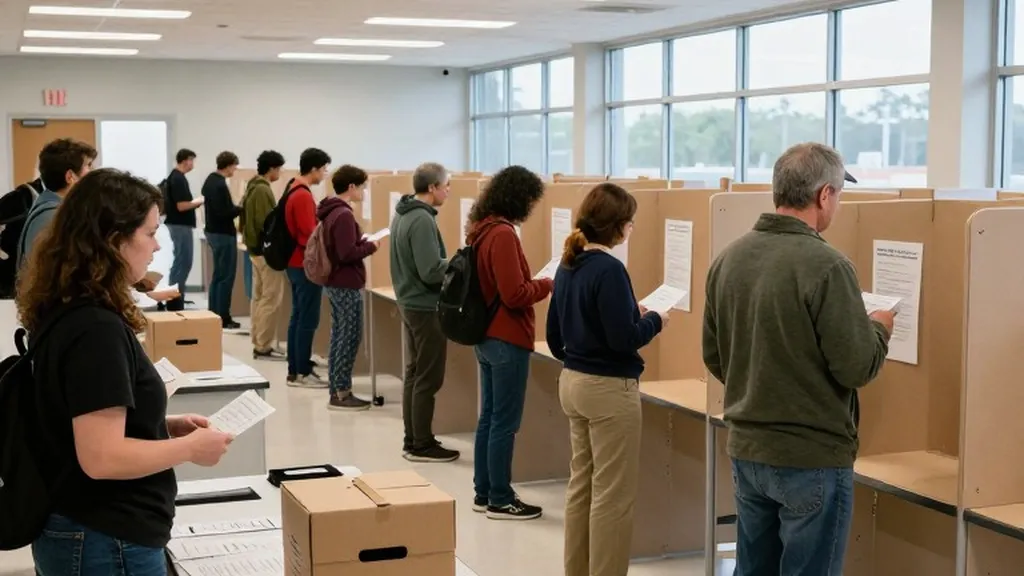
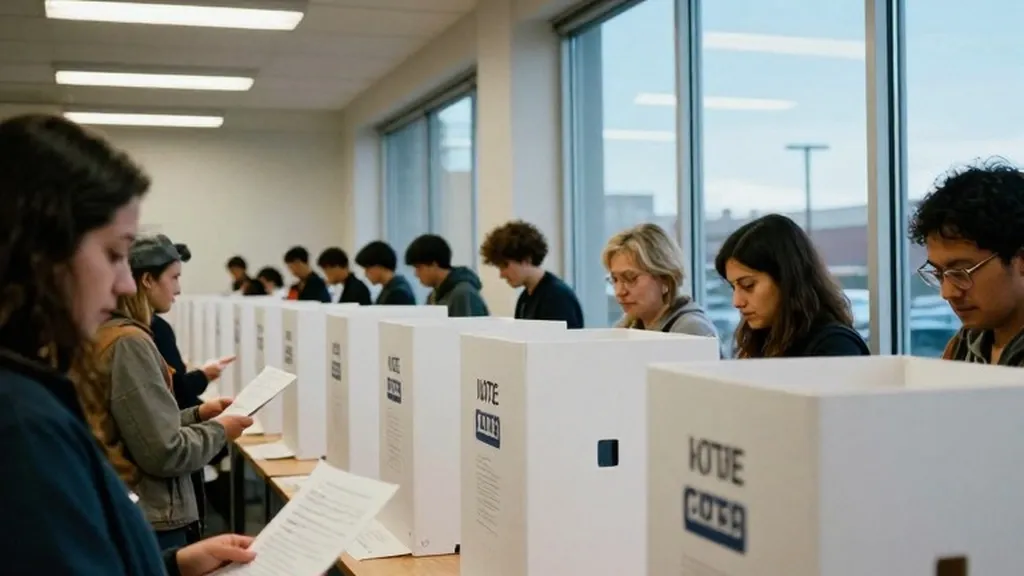
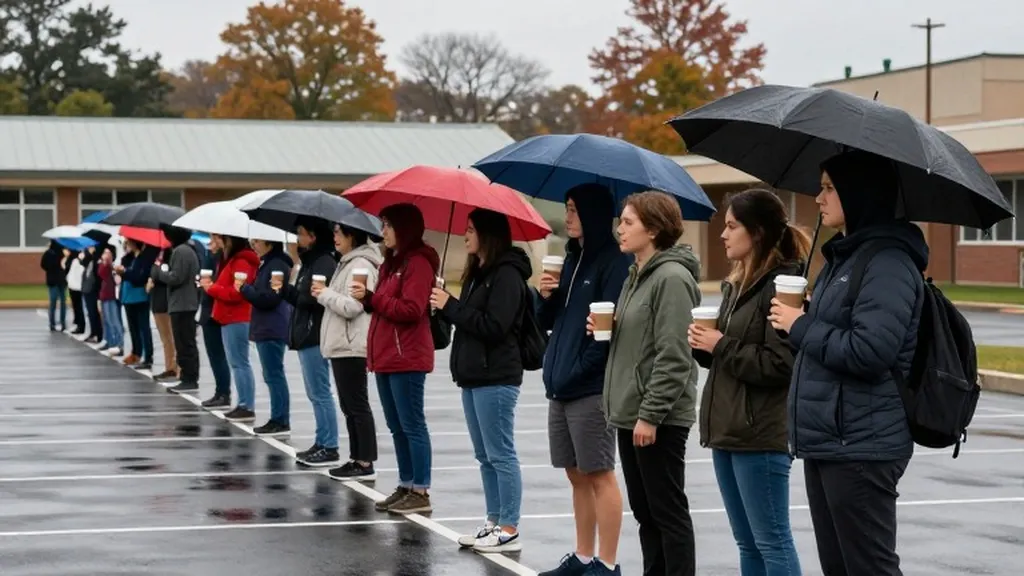
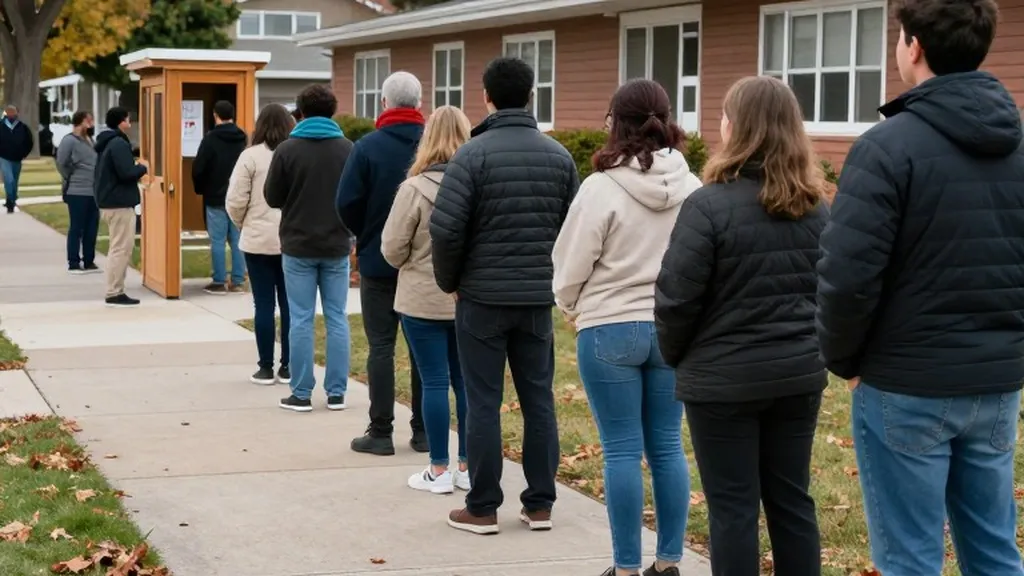
The election is scheduled for November 3, 2026. Voters will choose the new composition of the House and Senate while continuing to weigh the impact of high energy and food prices against the volume of political advertising they encounter.